What to Expect From a Central Oristano Stay: A Visitor’s Practical Guide
If you want the short version, a central Oristano stay feels easy, walkable, and pleasantly ordinary in the best possible way.
If you are planning a first visit, you probably have the same questions most travelers do: How much can I reach on foot? Will I be stuck doing mental gymnastics with parking? And will the place feel lively in the evening without turning into a noise contest at 11 p.m.? That is the useful version of “central,” and it is exactly what this guide is here to unpack.
Oristano’s historic heart is anchored around Piazza Eleonora, a square that the municipality highlights as one of the city’s key landmarks, and it is a good place to start if you want to understand the rhythm of the center before you book. For a broader travel picture, Sardegna Turismo, Trenitalia, and the ACI all help fill in the practical side of getting around the island without treating every errand like a treasure hunt. Comune di Oristano’s Piazza Eleonora page, Sardegna Turismo, and the official sites for Trenitalia and ACI are useful reference points when you want the straight version, not the brochure version.
What you will get below is a plain-language map of what a central stay usually feels like day to day: what is easy, what is worth checking before you book, how to build a sane itinerary, and what to pack so you do not discover at 9:40 p.m. that your “comfortable shoes” were only comfortable in the first half of the sentence.
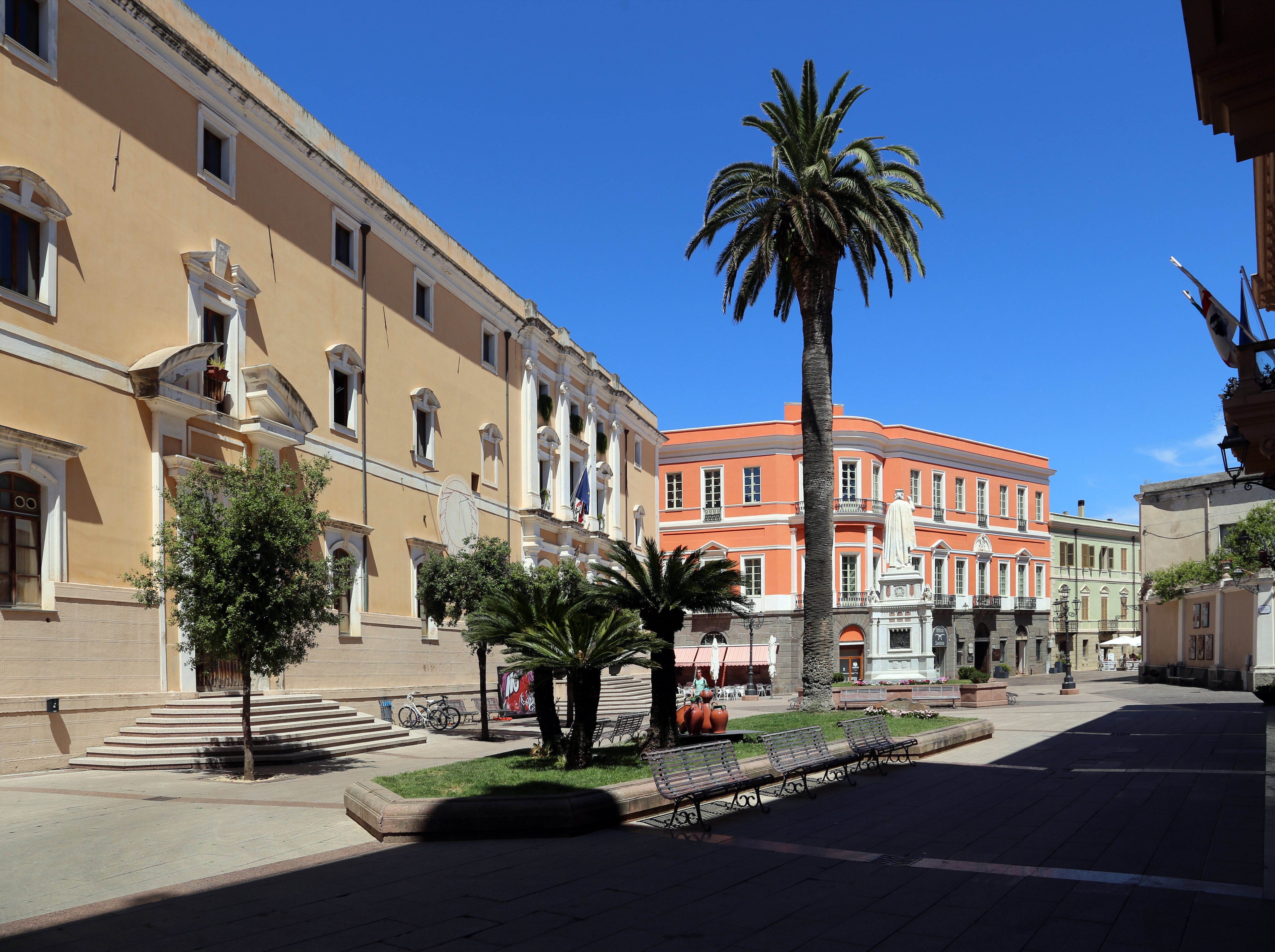

Why “central” matters in Oristano
When travelers say they want a central stay, they usually mean they want the practical kind of convenience: less time planning, less time driving, and fewer “where did we put the car?” conversations. In Oristano, staying near the historic center gives you the easiest version of that life. You can step out, walk to the piazza, stop for coffee, and return to your room without needing a full expedition plan.
The nicest part is that “central” does not only mean closer. It also changes how the day feels. You can treat the neighborhood as an extension of the stay itself: morning coffee nearby, an afternoon pause back in your room, then an easy evening stroll when the square gets a little softer and the streets feel more relaxed. That rhythm is especially helpful for first-time visitors who want to see the city without cramming every hour full.
| What central usually means | What you gain | What to check before booking |
|---|---|---|
| Walking distance to the piazza and nearby streets | Quick access to cafes, shops, and evening walks | Ask whether the route back is flat and easy with luggage |
| A more active town-center atmosphere | More life after dinner, especially in the main square | Request an interior or higher room if you are sensitive to sound |
| Less dependence on a car for every short errand | More flexible days and fewer parking decisions | Confirm whether parking is on-site, nearby, or public |
| Easy access to a meal, a coffee, or a quick reset | Less time planning the in-between moments | Check reception or contact hours if you arrive late |
If you want the cleanest mental model, think of central Oristano as the “walk out and start living” version of a trip. You are not trapped in a car, and you are not forced into rigid scheduling. That sounds small until you are carrying a backpack, a cold drink, and the vague emotional weight of not wanting to make one more decision before lunch.
A simple day plan
A central stay works best when you stop trying to make every hour perform. The point is not to race the city. The point is to move through it at a sane pace. Here is a sample day that fits well when you are staying near the center and want a low-stress rhythm.
| Time | What to do | Why it works |
|---|---|---|
| Morning | Start with a slow walk around Piazza Eleonora, then find coffee and pastry nearby. | The city is quieter, temperatures are friendlier, and the square is easier to take in without rushing. |
| Late morning | Browse a museum, church, or civic building, or simply follow the side streets for a bit. | You get a feel for the center without needing a long transfer or complicated route. |
| Midday | Return to the B&B for a break, shower, or a short rest before lunch. | This is where a central stay starts paying you back in comfort. |
| Afternoon | Have a slower lunch, then decide whether you want another walk or a trip farther out. | You keep the afternoon flexible instead of forcing a packed schedule. |
| Evening | Come back to the center for dinner or an aperitif, then return to the room without a long drive. | The day ends the same way it began: easy, not exhausting. |
The trick here is not to over-design the day. Central stays are at their best when they act like a reset button. You walk a little, eat a little, rest a little, and then decide what comes next. That is also a good way to travel if you are visiting with someone who enjoys seeing things but does not want to turn vacation into an endurance event.
My own rule of thumb would be this: if you can return to your room for a short break without feeling like you are “wasting” the day, you are probably in the right location. That little pause is often what keeps the rest of the trip pleasant.
Noise and comfort
This is the section light sleepers tend to scan first, and for good reason. A central location is convenient because people actually use it. That means normal town-center sounds: footsteps, voices, the occasional scooter, and activity around cafes or the square. None of that is unusual, but it does matter if you sleep like a person whose alarm clock has betrayed them before.
The good news is that noise is usually manageable if you ask the right questions before booking. A room that faces an inner courtyard or sits a little farther from the street often feels calmer than one directly over the busiest side of the property. If the building has multiple floors, higher rooms can sometimes help too, simply because they are less exposed to foot traffic and the quick stop-and-go of evening movement.
Here is the practical version of what to ask:
- Does the room face the street or an interior side?
- Are there nearby cafes, bars, or late-evening gathering spots?
- Is the window double-glazed or otherwise well insulated?
- Do local events sometimes spill into the square at night?
- Can you request a quieter room if you are a light sleeper?
Also, keep your own comfort kit in mind. Earplugs take almost no space and can save a trip from becoming a philosophical debate with a distant church bell. A small sleep mask, a white-noise app, and a charger by the bed are the kind of tiny details that make central stays feel restful instead of merely well-located.
If you are booking for a special date, it is worth checking whether there are festivals, weekend events, or market activity nearby. The historic center can feel lively in a charming way, which is lovely if that is what you want and less lovely if you were hoping for monastic silence. As with most city stays, the answer is not “avoid the center.” The answer is “match the room to your sleep style.”
Getting around without stress
The easy part of staying central is walking. The useful part is knowing when not to walk everything. Oristano is the kind of place where a central base can handle a lot of your day on foot, but a few trips may be better by bus, taxi, or car, especially if you are heading outside the core or carrying beach gear.
For a first visit, think in three layers:
- Walk for the center itself, nearby cafes, and the basic sightseeing loop.
- Use local transport or a taxi when you want to avoid circling for a parking spot or making a short transfer feel complicated.
- Drive if you are planning day trips, beach stops, or farther excursions that do not fit neatly into a pedestrian day.
Before you rely on trains or buses, verify current schedules with the official sources rather than with whatever memory you accidentally inherited from last summer. Trenitalia is a good starting point for rail planning, and the Sardegna Turismo site is helpful when you are piecing together a broader island itinerary. If you are driving, ACI is a sensible reference for road and mobility basics.
Parking deserves its own small warning label. In a historic center, the question is rarely “Is there parking?” and more often “Where is the parking, how far is it from the room, and what happens when I arrive with luggage at the wrong moment?” Ask whether the property offers reserved parking, nearby public parking, or a drop-off point. If you are arriving late in the day, this question matters even more because the whole process gets more annoying after sunset. Everything is more dramatic after sunset. That is just science, or at least vacation science.
| Transport option | Best for | What to confirm ahead of time |
|---|---|---|
| Walking | Exploring the historic center and short daily errands | Whether sidewalks, crossings, and the route back feel comfortable with luggage |
| Local bus or taxi | Short transfers, late arrivals, or avoiding parking stress | Where the nearest pickup point is and how long the wait might be |
| Car | Beach outings, countryside stops, and broader day trips | Parking location, access rules, and whether you will need to move the car overnight |
One nice side effect of staying central is that you can leave the car alone on days when it does not need to move. That is often the most restful version of “getting around.”
What to pack for a central stay
If your stay is central, you do not need to pack like you are heading into the wilderness. The useful packing list is shorter, smarter, and more focused on moving comfortably through the day.
- Comfortable walking shoes for cobblestones, steps, and longer wandering.
- Light layers because a warm afternoon and a cooler evening can both happen in one day.
- Sun protection such as sunglasses, a hat, and sunscreen for daytime walks.
- A reusable water bottle so you are not constantly buying tiny plastic emergencies.
- A small day bag for keys, wallet, charger, and a book or snack.
- Earplugs or a sleep mask if you know your sleep is easily interrupted.
- Charging cables and a power bank because maps and photos both drain batteries in a hurry.
- Swimwear or a beach kit if you plan to combine the city stay with a coast trip.
If you only pack one “maybe useful” item, make it a compact tote or foldable day bag. Central stays are full of small, spontaneous choices: an extra coffee, a short walk, a last-minute market stop, an unplanned pastry because you are on vacation and not a machine. A bag that can handle those tiny decisions keeps the day smooth.
For a more room-focused planning mindset, you may also want to look at the site’s bed and breakfast page before you finalize your stay. It is the easiest place to connect the location picture with the room details that matter most.
Questions to ask before booking
Good booking questions are not fussy. They are the difference between a trip that feels easy and a trip that feels like homework. If you are comparing options in central Oristano, ask questions that help you picture your arrival, your sleep, and your daily routine.
- What is the check-in process if I arrive earlier or later than expected?
- Is there an easy place to drop bags before the room is ready?
- Which side of the property is quietest for sleeping?
- Are the rooms better suited for solo travelers, couples, or small groups?
- Is parking included, nearby, or something I should plan separately?
- Can the host suggest the simplest walking route to the piazza and nearby sights?
- Are there stairs I should know about if I am carrying luggage?
- What happens if I need to contact someone after regular hours?
If you are the kind of traveler who likes to know the small things in advance, this is also a good time to ask about room features: window insulation, air conditioning, blackout curtains, kettle or coffee setup, and whether there is a desk or table if you like to spread out maps and snack wrappers in a semi-organized way.
For general site information and contact details, the About page and Contact page are the quickest places to start. If you are still deciding where the stay fits into your trip, the home page gives you the broadest sense of the property at a glance.
Quick checklist: your 10-minute pre-arrival plan
Before you leave for Oristano, take ten minutes and do the boring little tasks that save you from a much less boring first evening.
- Confirm your arrival time and check-in instructions.
- Save the property’s contact details in your phone and in a screenshot.
- Check how you will get from your arrival point to the B&B.
- Review parking details if you are bringing a car.
- Pack walking shoes, sun protection, and your sleep comfort items.
- Download offline maps or save the area on your phone.
- Note one or two nearby cafes or restaurants for your first meal.
- Set aside a small cash amount if you prefer not to rely entirely on cards.
- Charge your phone and power bank before you go.
- Remind yourself that a central stay is meant to make the trip easier, not busier.
That last one matters more than it sounds. A central base is useful precisely because it removes friction. If you spend your first hour turning convenience into a logistics project, you are doing extra work for no reason.
FAQ: common concerns about location, comfort, and planning
Is central Oristano safe for a stay?
For most visitors, a central location means ordinary town-center life rather than a special security situation. Use the same common sense you would in any walkable historic area: know your route, keep an eye on valuables, and avoid assuming every quiet side street is a shortcut just because your phone insists it is.
Do I really need a car?
Not for everything. If you mainly want to enjoy the center, eat well, and move at an easy pace, walking may cover a surprising amount. A car becomes more helpful if you want to add beaches, countryside stops, or a more flexible schedule. If you are unsure, plan the trip around your strongest preference: convenience without parking stress, or freedom to roam farther out.
What if I am a light sleeper?
Choose the quietest room you can reasonably request, ask about window orientation, and bring your own small sleep kit. A central stay is still possible for light sleepers; it just works better when you take the room selection seriously. If you know you sleep best in silence, do not assume every central room is the same.
What is the best time of day to enjoy the center?
Early morning and early evening are usually the easiest times to walk around. Morning is calmer and cooler, while evening gives you more atmosphere without the heat of the day. Midday is often the best time to step back, rest, and let the city do its thing without you having to supervise it.
Can I use the stay as a base for day trips?
Yes, and that is one of the best reasons to stay central. You can spend part of the day in the historic center and still leave room for a beach visit, a countryside stop, or a slower afternoon elsewhere. The important thing is to build a little buffer into your return time so the day still feels relaxed instead of over-scheduled.
If you are still deciding, think of it this way: a central Oristano stay is for travelers who want the easiest version of the city, not the loudest or the most complicated one. You step out, you walk, you return, and you do it again without needing a spreadsheet to remember where you parked.
For more trip planning, start with the home page, check the bed and breakfast page, or send a message through the contact page if you want to ask about arrival timing or room details before booking.