How to Host a House Party With a Simple Decoration Plan (That Won’t Take Over Your Space)
A good party setup should feel like a great host: warm, effortless, and never standing in the doorway holding seven throw pillows.
If you are decorating for a house party, you are probably asking a few very normal questions. How do you make the room feel festive without turning it into a craft-store explosion? Where should decor go so guests can still move around? Which details actually matter once real humans arrive with coats, bags, drinks, and opinions?
The short answer is that decoration works best when it follows the room instead of fighting it. A small plan, a limited palette, and a few smart focal points will usually do more for the mood than covering every flat surface in “party energy.” If you need help with the furniture side of the equation too, the guides on arranging furniture for a house party and organizing furniture for a birthday party make a good companion set.
In this guide, you will learn how to decorate by zone, choose a simple color-and-material palette, pick a handful of focal points, time your setup, and do a last-minute reset that makes the whole space look intentional instead of accidental. Think of it as the boring magic that creates less chaos.
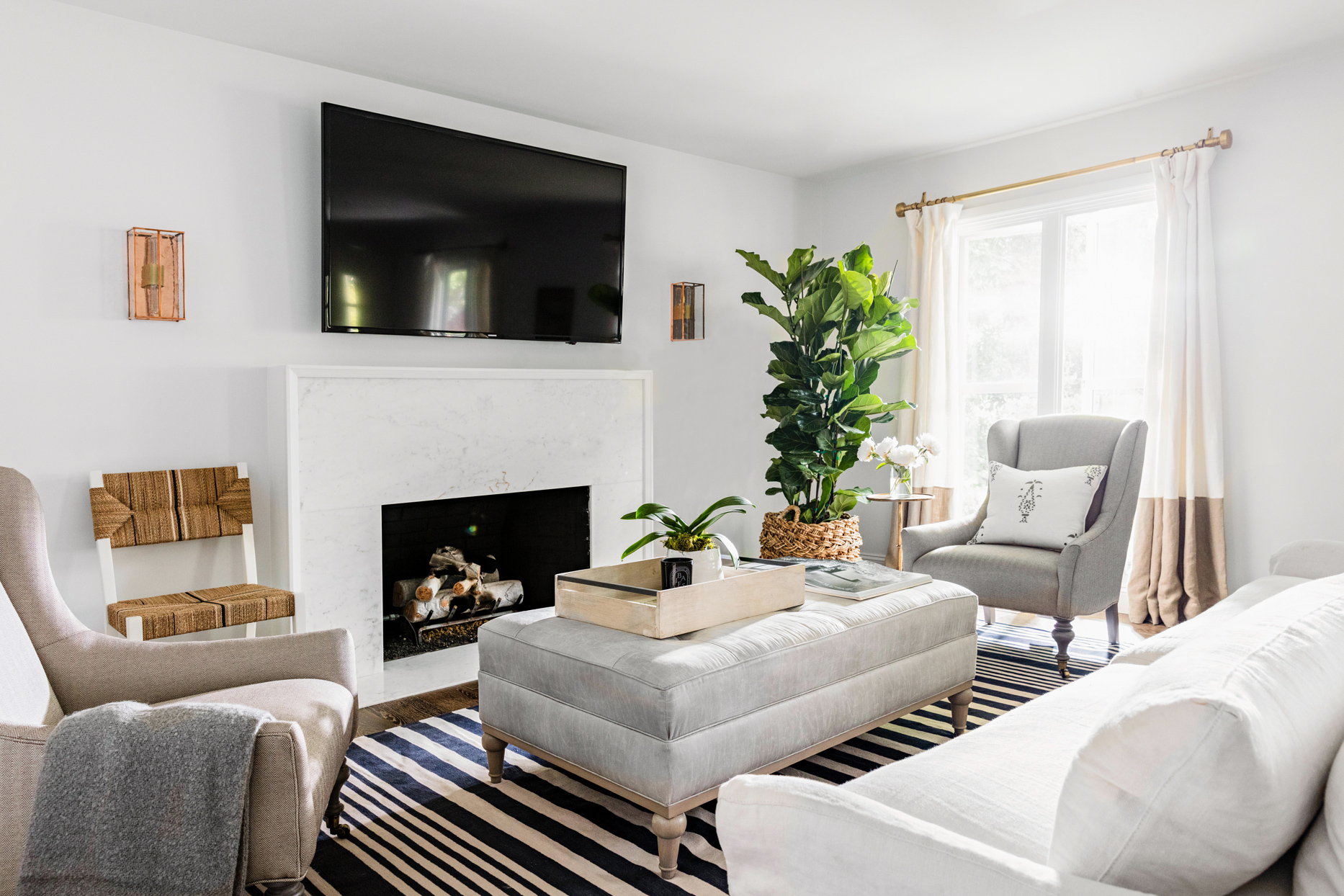
What a Simple Decoration Plan Actually Means
A decoration plan is not a color-coded spreadsheet worthy of a museum opening. It is simply a short set of decisions about where decor belongs, what it should look like, and what should stay clear. That is the difference between a room that feels welcoming and one that feels like it was decorated by a raccoon with a discount-code addiction.
Before you put out one candle or one bowl of citrus, decide on four things:
- Which areas guests will actually use
- Which surfaces can hold decor without blocking function
- Which colors and materials will repeat through the space
- Which spots must stay visually quiet so the room can breathe
A practical decoration plan usually fits on one note in your phone. If it needs a project manager and a walkie-talkie, it is no longer simple.
1. Define Your Zones Before You Decorate Anything
Decor should follow behavior. Guests will naturally cluster around arrival points, seating, snacks, and anywhere the lighting makes them look mysteriously well-rested. Start by breaking the room into clear zones, then decorate each one according to its job.
| Zone | Main job | Good decor move | Keep clear |
|---|---|---|---|
| Entry | Welcome and coat drop | Small tray, mirror, or vase | Door swing and shoe path |
| Main gathering area | Mingling and conversation | One coffee-table centerpiece and soft lighting | Walkways between seats |
| Dining or drinks area | Serving and refills | Runner, grouped glasses, low centerpiece | Edges for plates and serving tools |
| Guest rest area | Quiet reset or overflow seating | Throw, lamp, small side table | Access to chairs and outlets |
Entry area: tiny but useful wins
Your entry should tell guests, “come in,” not “good luck.” Add one visible landing spot for keys or cards, a basket or bench for bags if you have room, and one decorative element with height such as a branch arrangement or lamp. Keep it narrow. The goal is to greet people, not stage a lobby installation.
Main gathering area: decorate the conversation, not the walls
This is where most of the visual energy should live. Use one anchor piece on the main table, a throw or two that repeats your palette, and warm side lighting. If people will be standing and circulating, avoid floor baskets, poufs, and random stools in the middle of the path. They become ankle traps in about nine minutes.
Dining or drinks area: think service first
Decor on a food or drinks table should frame the setup, not eat the setup. Leave working space for napkins, serving utensils, and plates. A runner, two grouped objects at one end, and a small elevated sign or menu card is usually enough. Guests need somewhere to put a glass without negotiating with a floral arrangement.
Guest rest area: one calm corner changes the whole mood
If you have an extra chair by a lamp, a bench by a window, or a side room with a bit of breathing space, style it lightly. Add a soft throw, a coaster, and decent lighting. This zone works like a pressure valve. It gives guests a place to chat quietly, check a message, or take a five-minute break from the main buzz.
2. Choose a Small Color and Material Palette
The easiest way to make a party look pulled together is to repeat a short visual recipe. Pick two or three colors and two materials or textures. That is it. More than that, and your room starts acting like five different playlists are playing at once.
A few easy combinations:
- Warm neutrals + olive + brass for a relaxed dinner-party feel
- Cream + terracotta + wood for a casual daytime gathering
- Charcoal + white + glass for a cleaner, modern look
If you want a quick refresher on how color relationships work, Wikipedia’s overview of color schemes is a solid starting point. You do not need a design degree. You just need a repeatable mental shortcut.
Reuse the same objects across zones whenever possible. A linen napkin color can repeat in candles. A wood tray can echo wood frames or salad servers. Glass vases can move from entry table to drinks station. Repetition is what makes a space feel edited instead of improvised in a panic.
3. Pick 3 to 5 Focal Points, Then Stop
Every room needs a few stars and a lot of good supporting actors. Choose three to five focal points total for the areas guests will see most. Common examples include:
- The entry console or first surface guests notice
- The coffee table or main seating cluster
- The dining table or drinks station
- A mantel, sideboard, or shelf behind the main conversation area
- One bathroom counter detail such as a folded hand towel and small greenery
Once those spots are styled, leave the rest alone. Not every shelf needs a theme. Not every corner needs a lantern. Empty space is not a decorating failure. It is the pause between sentences that helps people understand the room.
A good rule is this: if a decorative item does not add mood, function, or visual balance, it is probably just taking up oxygen.
4. Time the Setup So You Are Not Decorating in Party Clothes
The day-before versus day-of split is where many party setups either glide or spiral. If you wait until the last two hours to move furniture, polish glasses, arrange flowers, and remember batteries for candles, your home will start feeling like a reality show challenge.
Do these the day before
- Choose your zones and remove furniture that blocks flow
- Wash serving pieces, trays, and vases
- Test lamps, extension cords, and LED candles
- Place nonperishable decor such as books, trays, runners, and empty vases
- Set up the coat area, bathroom essentials, and trash/recycling access
Do these on the day of the party
- Add fresh flowers, food, ice, and anything scent-related
- Light candles or switch on ambient lamps shortly before guests arrive
- Do a ten-minute sweep for clutter, packaging, chargers, and stray mail
- Fill water glasses, stack napkins, and set out serving tools
If you like having a complete hosting flow, the timeline on the homepage and the broader hosting ideas on the About page can help you connect decor choices to the rest of the event plan.
5. Balance Furniture and Decor So the Room Still Works
Pretty is nice. Functional pretty is better. The room should still allow people to pass each other, sit down without climbing over a side table, and spot the snack table without doing reconnaissance.
Use these spacing rules as your baseline:
- Keep the main walkway from entry to gathering area visibly open
- Leave a clear path to the bathroom, kitchen, and doors
- Use low or medium-height centerpieces where people will talk across a table
- Pull extra chairs from walls only if they do not pinch the traffic route
- Cluster decor on one side of a surface when that surface also needs to function
Imagine the room in motion, not in a photo. That giant arrangement may look dramatic in a still image, but if it blocks eye contact or forces guests to do a sideways shuffle, it has become a diva. Gorgeous, but difficult.
6. Use Lighting to Set the Mood Without Creating Glare
Lighting is the quickest way to make a room feel cared for. Overhead lighting alone can make even lovely decor look like it is being interrogated. Layering light is the fix.
Start with natural light if the party begins in the afternoon. As the light changes, transition to lamps, dimmed fixtures, or LED candles. Use the brightest light near food and the softest light where people gather to talk.
For open flames, stay boring and responsible. The National Fire Protection Association’s candle guidance is a useful reminder to keep candles away from anything that can burn and never leave them unattended. If children, pets, or crowded drink stations are part of the picture, LED candles are the no-drama choice.
Quick lighting checklist:
- Turn off any harsh light directly above the main seating zone if you have softer alternatives
- Aim lamps so bulbs are not shining straight into seated guests’ eyes
- Use one small light source in the bathroom so it feels tidy, not clinical
- Keep one brighter task light near the serving area for labels, bottle openers, and actual visibility
7. Style the Table Like a Host, Not a Department Store
Tables do a lot of work at parties. They hold drinks, snacks, serving tools, and the fragile illusion that everything is under control. Keep styling simple enough that cleanup still feels possible.
A quick formula that works
- Start with a runner or placemats to create visual structure
- Add one low centerpiece or one off-center grouped arrangement
- Use stacked plates, grouped glasses, and folded napkins to create tidy repetition
- Leave at least one obvious empty landing zone for guests to set something down
Centerpiece height matters. If guests will sit and talk across the table, keep arrangements low enough to preserve sightlines. If the table is purely for buffet service, one taller piece at the far end can work because no one needs to speak through it like a hedge maze.
For easy cleanup, line trays, pre-place a small bowl for garnish scraps or bottle caps, and keep a hidden backup stack of napkins nearby. That little move saves your table from looking tired halfway through the night.
8. Handle Sound and Scent With a Light Touch
Good atmosphere is usually subtle. Great music and scent should work like seasoning, not like a marching band in the soup.
Sound basics
- Pick one mood for the first hour: mellow, upbeat, or dinner-friendly
- Keep the speaker away from the main conversation cluster if possible
- Test volume from the farthest chair, not just from your phone
- Raise the energy gradually instead of starting at “dance floor at 9:14 p.m.”
Scent basics
- Let food be the main scent if you are serving something aromatic
- Use one candle or diffuser at most, not one in every room
- Skip strong florals if the room is small or poorly ventilated
- Open a window for a short reset before guests arrive if weather allows
Fragrances can bother some guests more than hosts realize, especially in small indoor spaces. The safer move is to keep scent minimal and let fresh air do some of the work. The EPA’s indoor air quality guidance is a useful reminder that better ventilation can make shared indoor spaces more comfortable.
9. Do a 15-Minute Reset Right Before the Doorbell Rings
This is the final pass that makes the room feel intentional. Set a timer. Move quickly. No deep cleaning, no dramatic redesign, no deciding to repot a plant for character development.
- Clear anything personal or random from visible surfaces: mail, cables, receipts, rogue water bottles.
- Fluff pillows and fold throws so the seating looks ready, not recently survived.
- Check every path from front door to seating, food, and bathroom.
- Wipe the drinks table and bathroom counter.
- Turn on lamps, start music, and do a scent check before lighting anything.
- Stand at the entry and look into the room like a guest would. Remove one thing if the space feels crowded.
If you want a second opinion on guest-ready flow or have questions about the site’s hosting resources, the contact page is the cleanest place to start.
The Short Version: Less Decor, Better Placement
A simple decoration plan works because it respects how people actually move through a room. Define your zones, repeat a small palette, choose a handful of focal points, set up the big pieces early, and keep walkways gloriously boring and clear. That is the trick.
The best party decor does not try to win a trophy. It supports conversation, makes guests comfortable, and lets the room stay functional from the first arrival to the last plate in the sink. Try the small-plan approach once and you may never go back to decorating every horizontal surface like it owes you money.