How to Choose a Bed & Breakfast in Oristano: What “Central” Really Means
“Central” sounds simple until you try to turn it into a real travel decision. One B&B may be central for a walker, another for a driver, and a third only for someone who enjoys carrying luggage like a heroic side quest. If you are choosing where to stay in Oristano, the word matters less as a label and more as a shortcut for your actual trip plan.
Before you book, ask yourself four questions: Will I mostly walk or mostly drive? Do I care more about quiet sleep or quick access? Am I arriving early, late, or somewhere in the magnificent chaos between? And do I want to step outside and be in the middle of things, or do I want a calmer base with a little more breathing room?
That is the real job of a “central” stay. It should reduce friction, not add it. A good location makes the day feel lighter: fewer awkward transfers, fewer taxi decisions, fewer “why did I pack this huge bag?” moments. If you want the broader site map while you compare options, start at the home page, read the About page for background, and use the contact page when you need a direct question answered before you book.
This guide turns “central” into something you can actually measure. You will get a walkability checklist, a way to think about noise, practical questions for parking and arrival, and a simple scoring method at the end so the decision does not turn into a spreadsheet with emotional damage.
What Does “Central” Mean for Your Schedule?
“Central” is not a trophy. It is a calibration knob. For one traveler, central means “I can wander out for dinner and get back without building a transportation strategy.” For another, it means “I can park once, leave the car alone, and do the rest on foot.” For a third, it means “I can reach the main square fast, but I still sleep like a person who has not been gently sandblasted by street noise.”
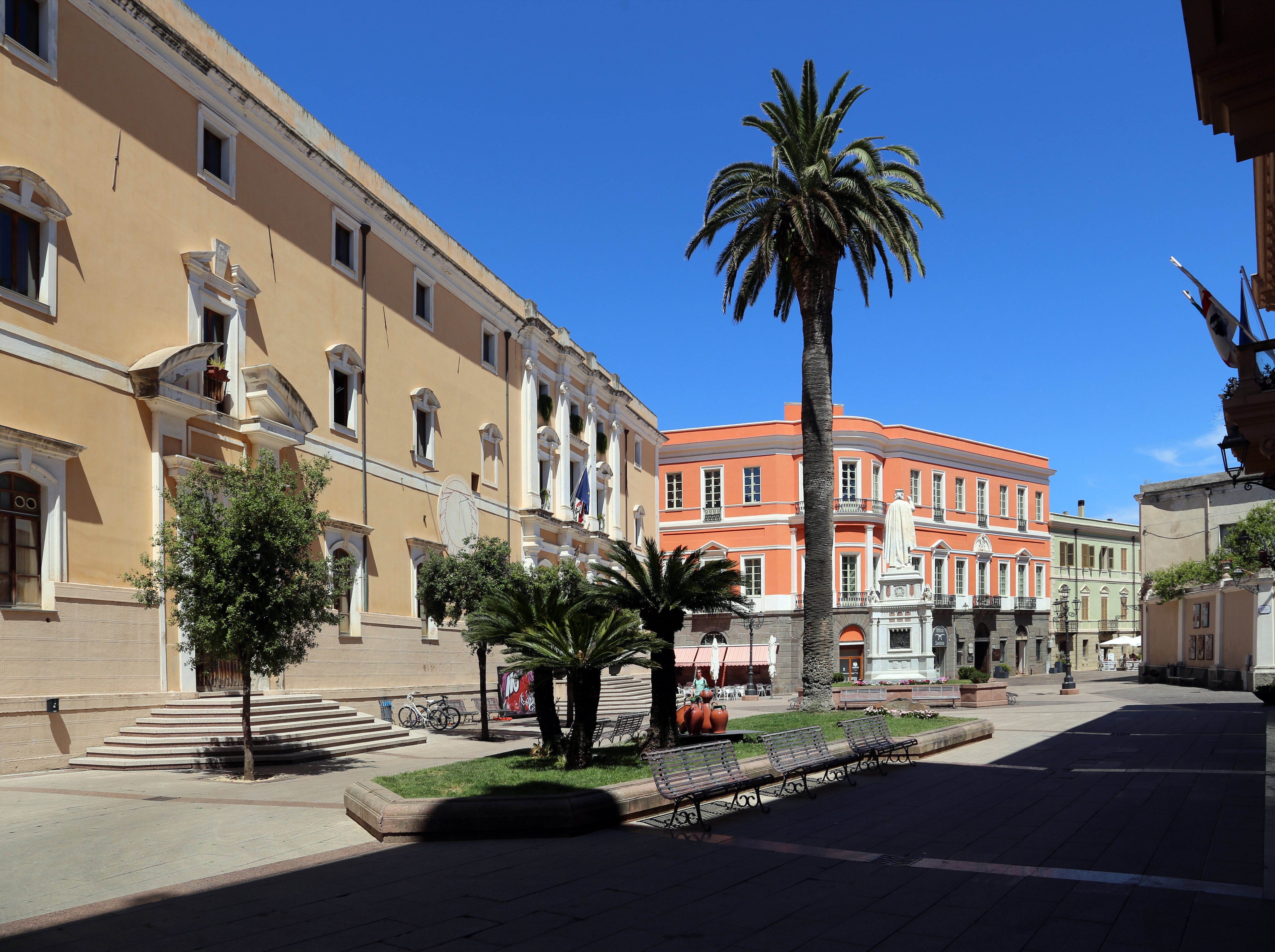
That is why the best question is not “Is this B&B central?” The better question is “Central to what?” If your trip is built around Piazza Eleonora, museums, aperitivo stops, and a little evening wandering, then a spot close to the historic core may feel perfect. If you plan to take day trips, arrive by car, and head out early every morning, you may care more about a place with easy access and reliable parking than about shaving three minutes off a walk.
I like to think of location as a tiny travel operating system. It should make the rest of your trip run smoother. If the stay sits near the places you will use most often, you spend less energy on logistics and more energy on the actual reason you came. That is the boring magic of a good address: it disappears in the background.
For a quick feel of Oristano’s center, the official Comune di Oristano page for Piazza Eleonora and the Sardegna Turismo overview of Oristano are useful starting points. They help you orient yourself around the square and the historic center before you decide how central you actually want to be.
Three traveler types, three versions of “central”
- The walker: wants to step out, stroll to dinner, and return without thinking about transport. For this traveler, five minutes matters more than a glamorous address.
- The driver: wants easy parking, simple arrival, and no surprise traffic puzzles. For this traveler, “central” can be nice, but only if it does not turn parking into a scavenger hunt.
- The sleeper: wants quiet nights, even if that means being a little farther from the main square. For this traveler, central only wins if the room still feels restful.
Walkability Checklist: How Close Is “Close”?
Distance sounds objective until you carry a bag uphill, cross a busy street, or discover that “just around the corner” in travel copy means “technically nearby, emotionally not.” That is why I prefer walking time over meters. Minutes are friendlier, and they match how a trip actually feels.
When you compare B&Bs in Oristano, think in layers. What can you reach in 5 minutes? What becomes easy at 10? What still feels fine at 15 if you only do it once or twice a day? If a place is close to Piazza Eleonora but the route is complicated, dark, or awkward with bags, then it is not truly central in the way you need.
If your stay is centered around the old town, the historic square, restaurants, and evening strolls, then you want the route to be simple enough that you do not need to “psych yourself up” to leave the room. That is the tell. When a location is truly working, you do not talk yourself into using it.
Use this simple walking-time scale
- 0 to 5 minutes: very central. Good if you plan to go in and out several times a day.
- 5 to 10 minutes: still central for most visitors. Usually the sweet spot if you want convenience without being in the loudest pocket.
- 10 to 15 minutes: practical if you like a little separation from the busiest streets.
- 15+ minutes: only “central” if you are happy to walk or if the rest of the stay is unusually convenient.
What should count as “close”?
Do not stop at the square itself. Ask whether the route also reaches the places you actually care about: cafés, dinner spots, parking, the bus stop, the museum you might visit after lunch, and the easiest path back after dark. A B&B is not just a point on a map. It is the sum of all the small trips you will make from it.
For a gentle sense of the area you may end up walking through, the Sardegna Turismo walk through the heart of Oristano is a handy reference. It is less about “this exact route from door to door” and more about giving you a feel for how the center of town is stitched together.
A practical walkability scorecard
| Question | Good answer | Why it matters |
|---|---|---|
| Can I walk to Piazza Eleonora comfortably? | Yes, in a simple route that feels natural even with normal shoes. | Central should save time, not create a mini-hike before coffee. |
| Can I reach restaurants and cafés without planning a taxi? | Yes, several are reachable on foot. | Evening convenience is part of location value. |
| Can I come back during the day without losing momentum? | Yes, the return trip is easy enough to make twice. | Short returns matter if you like breaks, naps, or outfit changes. |
| Would I still enjoy the route at night? | Yes, it feels straightforward and comfortable after dinner. | A central stay should work for evenings too, not just midday optimism. |
Noise & Sleep: Evaluating Street Activity Risk
Central locations are often convenient for the same reason city centers are lively: people actually use them. That is wonderful if you want energy. It is less wonderful if your idea of a perfect night includes the acoustic profile of a library with curtains. The goal is not to fear noise. The goal is to know what kind of soundscape you are booking.
Start with reviews. Look for repeated mentions of street noise, late-night crowds, delivery traffic, church bells, or windows facing busier roads. One reviewer’s complaint may just be someone having a dramatic relationship with reality. Three reviewers saying the same thing is data. If you see patterns, believe the pattern.
Then ask the property directly. Good questions sound boring, which is excellent. Boring questions usually save sleep:
- Is the room facing the street or an interior side?
- Are there double windows or other sound-reducing features?
- Are weekends louder than weekdays?
- Do people gather outside nearby cafés late in the evening?
- Which rooms are the quietest if I need a lighter sleep environment?
The answer does not have to be “silent.” It just needs to match what your body tolerates after a day of walking, driving, or sightseeing. A few extra voices outside may be charming at 8 p.m. and deeply personal at 1 a.m. The correct room is the one that keeps that relationship civil.
If you are choosing between two similar places, the quieter street often wins by default. A slightly less dramatic location can be worth more than a better postcode. That is not you being picky. That is you protecting tomorrow’s mood.
How to read noise clues without overthinking them
- Street-facing room: usually livelier, sometimes brighter, often less predictable at night.
- Interior room: often quieter, especially if the property sits near restaurants or traffic.
- Top floor: can be quieter, but only if stairs are not a problem.
- Near café streets: convenient for dinner, potentially noisier after dinner.
For arrival planning and broader city services, the Comune di Oristano’s information on the tourist information office in Piazza Eleonora can also be useful if you want an official starting point for local questions once you are in town.
Arrival & Parking: What to Ask Before You Book
If you arrive by car, parking can decide whether your first hour feels smooth or absurd. A central stay with no parking plan is like a suitcase with one broken wheel. Technically it still exists, but it will make you negotiate with fate.
Ask the property exactly where guests usually stop, unload, and park. You want to know whether there is on-site parking, a nearby public lot, or a street option that is realistically available at the time you are likely to arrive. You also want to know whether parking is free, paid, limited, or first-come-first-served. If the answer is vague, keep asking until it becomes clear.
Late arrival matters too. Some central B&Bs work beautifully at 4 p.m. and become more delicate at 10 p.m. Ask whether there is a self-check-in process, a lockbox, a call-ahead procedure, or a person on-site after a certain hour. If you are coming in after dinner or after a delayed flight, you want the key handoff to be an obvious process, not a detective novel.
If you want a broader look at local parking context, the official Comune di Oristano parking page is a helpful place to start. It will not replace the property’s own instructions, but it does give you a better sense of how parking is handled in town.
The parking questions that prevent headaches
- Where do guests unload luggage?
- Is parking included, nearby, or separate?
- Do I need to reserve a spot in advance?
- Is there a time limit or payment method I should know about?
- What should I do if I arrive after reception hours?
- How far is the parking area from the entrance?
One more subtle point: central does not always mean easiest for cars. A property near the historic core may be perfect for walking but a little less relaxed for loading bags. If you are driving a lot during the trip, do not let the word “central” hypnotize you. Ask whether the place supports car travel as well as it supports strolling.
Morning Logistics: Breakfast Timing vs. Your Day Plans
Breakfast is one of those tiny things that can make a stay feel luxuriously easy or oddly inconvenient. If you are planning an early museum visit, a ferry connection, a long drive, or even just a sunrise coffee wander, breakfast timing suddenly becomes part of the location decision.
Ask three things: when breakfast starts, whether there is any flexibility, and whether you can leave earlier if needed. A lot of travelers only notice breakfast hours after they have already booked, which is how “nice and central” turns into “pleasant, but I had to leave hungry like a Victorian ghost.”
If you are a slow starter, late breakfast hours may be a bonus. If you are a get-up-and-go traveler, you want to know whether the property can offer an earlier option, a packed breakfast, coffee before the standard window, or some other arrangement that respects the first appointment on your itinerary.
Breakfast timing checklist
- What time does breakfast start?
- Can I get coffee or a light option earlier?
- What happens if I leave before breakfast hours?
- Is breakfast served on-site or in a separate area?
- Are there nearby cafés if I need a backup plan?
Centrality helps here because it gives you options. If you can step out for an early espresso, grab a snack, or return quickly after breakfast, the stay fits around your schedule instead of bossing it around. That is what you want. The room should be in charge of comfort, not logistics theater.
Accessibility & Comfort: Stairs, Elevators, and Luggage
A location can be perfect on paper and still be a terrible fit if the building layout fights you. If you are traveling with heavy luggage, pushing a stroller, recovering from a long drive, or simply not interested in hauling bags up a narrow staircase like a very determined mule, ask about access before booking.
Find out whether there is an elevator, how many stairs lead to the room, and whether staff can help with luggage. Also ask whether the room is on the ground floor, the first floor, or higher. These details sound small until you arrive tired and realize that “charming old building” often translates to “nature has questions for your knees.”
Accessibility is not only about formal mobility needs. It is also about comfort. Some travelers are fine with stairs if the room is otherwise ideal. Others would rather trade a little style for a lot less hauling. There is no moral award for choosing the hardest staircase. Choose the setup that lets you enjoy the trip.
Comfort questions worth asking
- Is there an elevator?
- How many stairs are there to reach the room?
- Can luggage be dropped off near the entrance?
- Is the room on a quiet floor?
- Are there any accessibility features I should know about before arrival?
If you want the property page for room-by-room context, the dedicated Eleonora Bed and Breakfast page is the place to look. That is where the stay-specific details should live, while this article helps you decide whether the location itself is a match.
Weather-Proofing: Shade, Wind, and Rain Routes
Central is a moving target when weather joins the conversation. A five-minute walk can feel elegant in the evening and mildly insulting under midday sun or during a sudden shower. That is why I like to think about the route back to the room, not just the route out.
Ask whether your walk to the B&B includes shade, sheltered corners, or an easy way to duck indoors if the weather turns. If you are arriving in hot weather, the difference between a shaded route and an exposed one can decide whether you show up pleasantly warm or ready to lie down on the floor and emotionally leave the body for a minute.
Wind matters too, especially if you are carrying a tote, shopping bag, or a suitcase that has decided to behave like a sail. Rain is the obvious one: a central stay is much nicer when the return path is simple enough that you are not doing a weather-based obstacle course just to get back for a nap.
Weather questions to ask locally
- Is the walk from the square mostly exposed or partly sheltered?
- Are there covered spots nearby if the weather changes?
- Is the route comfortable for evening returns?
- Do I need an umbrella, hat, or light layer for the walk back?
When you want an official local reference for where the city center sits and what nearby streets connect to it, the Oristano tourism materials are useful. The official city pages and the Sardegna Turismo overview are not a substitute for your own route check, but they do help you understand how the central area is organized before you arrive.
Quick Comparison Table: 8 Questions to Ask Any B&B
Here is the part that saves time. If you are comparing several B&Bs, ask each one the same eight questions. Then the answers stop feeling vague and start looking like a decision.
| Question | What you want to hear | Red flag |
|---|---|---|
| How long is the walk to Piazza Eleonora? | A clear time estimate, not a shrug. | “It’s close” with no actual detail. |
| Is the room quiet at night? | An honest answer about street-facing or interior rooms. | “It should be fine” with no specifics. |
| Where do I park? | Named parking options or a clear unloading plan. | “You’ll find something nearby.” |
| Can I check in late? | Self-check-in or a confirmed arrival procedure. | Unclear instructions after dark. |
| What time is breakfast? | Hours that fit your day or a flexible alternative. | Only a rigid window with no backup. |
| How many stairs are there? | A straightforward count and access details. | No answer until arrival. |
| Can I unload luggage near the entrance? | Yes, with a simple drop-off plan. | Lots of walking before check-in starts. |
| Is the route back comfortable at night or in bad weather? | Yes, with a simple route or sheltered options. | “Just use your map.” |
If you want a second local point of reference while you compare answers, the city’s own pages around Piazza Eleonora and the tourist office in the square are useful anchors. They will not tell you whether a given room is quiet, but they do help you situate the property inside the center of town instead of guessing from the name alone.
Bottom Line: A Simple Scoring Method for Location Choices
Here is the part that turns the conversation from “I think it’s central?” into “I know why I picked it.” Give each category a score from 0 to 2:
- Walkability to your main plans
- Noise and sleep quality
- Parking and arrival ease
- Breakfast timing fit
- Stairs and luggage comfort
- Weather-proofing on the route
- Evening access and return trip ease
Score each one like this: 0 means poor fit, 1 means acceptable with tradeoffs, and 2 means a good fit. The maximum score is 14.
| Total score | What it means |
|---|---|
| 12 to 14 | Strong match. This location likely works well for your trip style. |
| 8 to 11 | Usable, but you should know which tradeoffs you are accepting. |
| 0 to 7 | Only book if price, dates, or a specific feature outweigh the friction. |
My favorite part of this method is that it forces honesty. It stops “central” from acting like a magic word and makes it answer questions. A truly good location should help you walk more easily, sleep more peacefully, and arrive without a small logistical tragedy. If it does those things, great. If it only looks central on a listing page, keep browsing.
If you want to keep exploring the site while you compare options, return to the home page, review the About section, or use the contact page if you need a direct answer before booking. And if you are narrowing things down specifically for this property, the Eleonora Bed and Breakfast page is the place to check the room-level details against the location score you just built.
In short: central should mean “easy for the trip you are actually taking,” not merely “near the middle of a map.” If you can walk where you need to go, sleep well, arrive cleanly, and get back without drama, then the location is doing its job. That is the tiny but useful magic worth booking.