Piazza Eleonora to the Beach: A Simple Oristano Day Trip Plan (By Car or Bus)
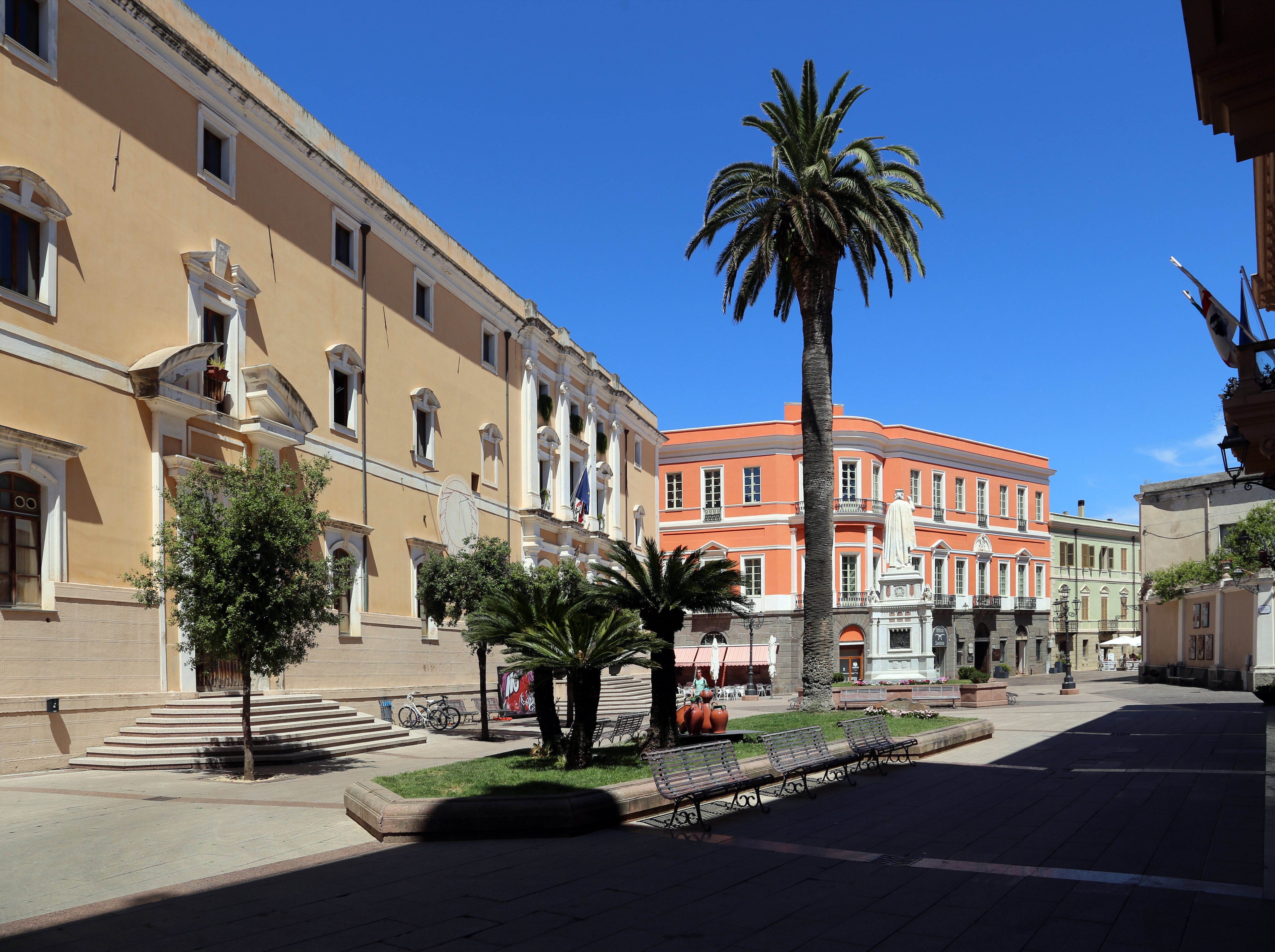
If you want a low-stress day that starts in Piazza Eleonora and ends with sand under your feet, this is the plan to save. The real question is not whether Oristano can get you to the coast. It can. The question is which route gives you the least friction once you add heat, parking, snacks, sunscreen, and the small but annoying fact that beach bags are heavier on the way back.
Before you decide, I would check a few public reference points: the regional tourism context on Sardegna Turismo, the local city site at Oristano, and the visual beach atlas sheet for the Capo San Marco and Oristano coastline on Wikimedia Commons. I keep the same rule for travel planning and guest planning: choose the path that reduces avoidable decisions.

Quick Overview
This plan works best if you are:
- visiting Oristano for the first time and want one easy day out,
- traveling as a couple or family and do not want a long, complicated transfer,
- staying only a few nights and want one beach day that does not consume the whole schedule.
The beach decision is simple once you name the tradeoff. Driving gives you more freedom; the bus gives you fewer decisions. If you want the shortest possible plan, choose one beach and stay there. Do not try to solve the whole coastline before lunch. That is how a day trip becomes a committee.
For first-time visitors, I usually recommend this order: leave the center, reach the coast once, settle in, lunch lightly, then return before the late-afternoon rush. That avoids backtracking and keeps the day feeling like a holiday instead of a transfer exercise.
Terms Worth Knowing
A few words matter more than they sound:
- Buffer time means extra time between stops so the day does not collapse when parking takes longer than expected.
- Facilities means toilets, showers, shade, rentals, and food nearby, not just a pretty shoreline.
- Low-friction beach means easy access, a short walk from parking or a stop, and enough shade or services to keep the day comfortable.
Choose Your Route: Car vs. Bus
| Route | Best for | What works well | What to watch |
|---|---|---|---|
| Car | Families, extra gear, flexible timing | You can leave when you want, switch beaches, and carry more without counting every bag. | Parking, heat in the car, and the temptation to overplan the route. |
| Bus | Travelers who prefer one fixed plan | No parking hunt, simpler logistics, less mental load. | The schedule is the boss, and the return buffer matters more than you think. |
If you are driving, the reasonable default is to pick one beach and stay near it until you head back. If you are taking the bus, keep your beach choice close to the stop and avoid beaches that require extra transfers, long walks, or a lot of gear carrying. The bus plan is best when you let the timetable do the steering.
My practical default for a one-day outing is Torregrande. It is the least demanding option if you want a straightforward coast day and do not want to spend the morning solving logistics. If you want a more scenic, slightly more ambitious beach stop, San Giovanni di Sinis is the better choice, but I would only pair that with a car and a willingness to spend a little more time on the road.
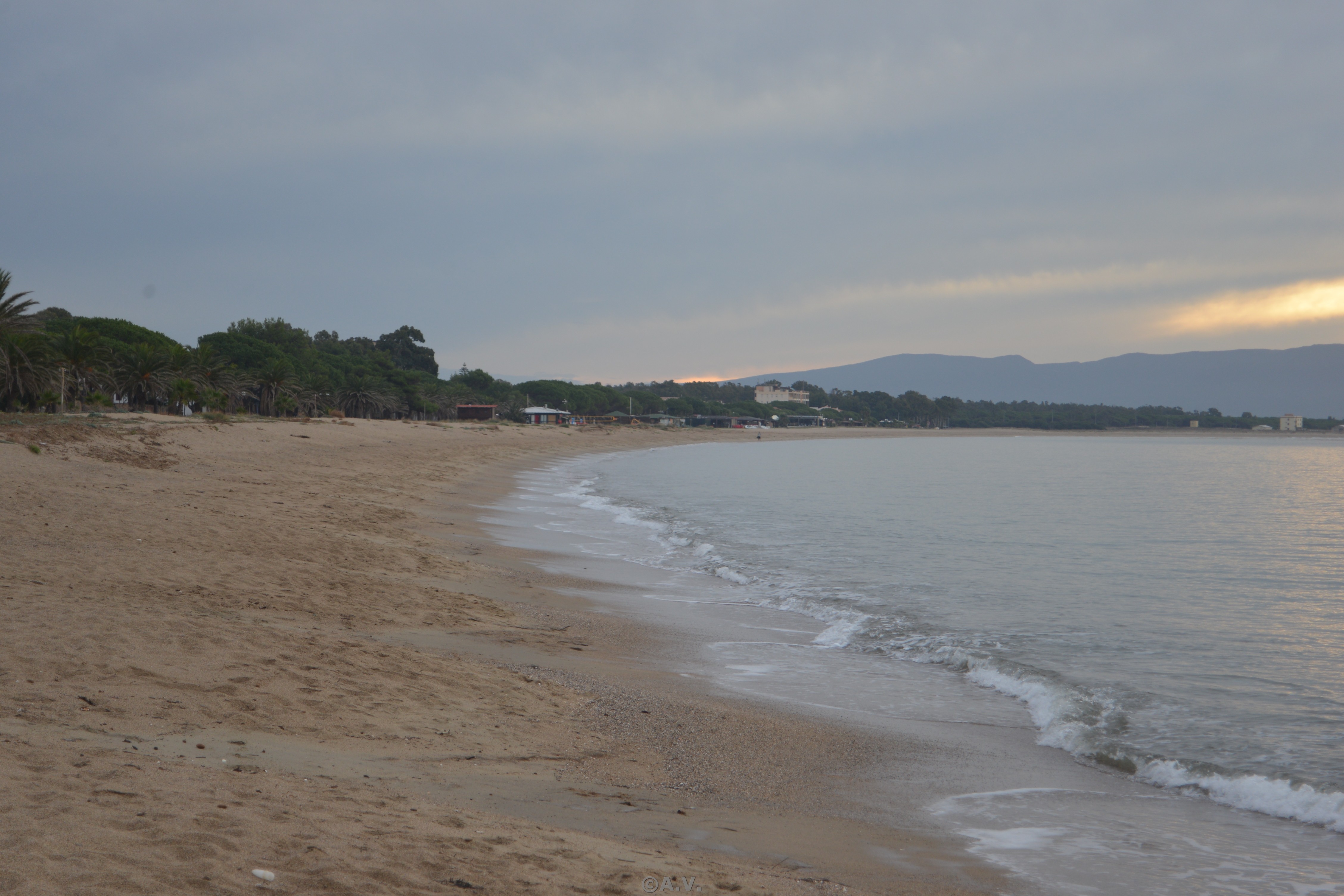
For a visual comparison, the public photo page for Spiaggia Torregrande shows the open, easy beach profile, while the Oristano coast atlas sheet gives you a broader map view of the area.

Three reasonable defaults
| Scenario | Best fit | Reasonable default |
|---|---|---|
| First visit | You want the cleanest, least stressful answer. | Choose Torregrande, arrive early, and stop planning once you reach the sand. |
| Family day | You are carrying more items and need a predictable setup. | Choose the beach with easier access, more shade, and a short walk from parking or the stop. |
| Scenic priority | You care more about atmosphere than convenience. | Choose San Giovanni di Sinis, keep the rest of the plan simple, and do not add extra stops unless you must. |
The point of a day plan is not to eliminate every variable. The point is to control the ones that cost the most energy. Beach access, water, shade, and lunch are the variables worth controlling. Everything else is decoration, and decoration is expensive when you are carrying a cooler.
There is also a small emotional benefit to a simple plan: the day feels bigger when you are not constantly checking whether the next move was wise. That matters more than people admit. A beach day is supposed to feel light, not like a quarterly review with sea salt.
Suggested Timeline
| Time | If you drive | If you take the bus |
|---|---|---|
| 8:30-9:00 | Leave Piazza Eleonora after coffee and water are packed. | Leave a little earlier and build in platform or stop time. |
| 9:15-10:00 | Arrive, park, and claim a base spot near the sand or facilities. | Arrive and walk directly to the most convenient section of beach. |
| 10:00-12:30 | Swim, read, walk, and keep the first long stretch uncomplicated. | Do the same, but keep your bags light and your plan fixed. |
| 12:30-13:30 | Break for lunch early enough to avoid the hottest hour. | Lunch near the beach so you do not spend energy relocating. |
| 15:30-16:30 | Head back while energy is still decent and parking is still predictable. | Return with a comfortable buffer, not a last-minute sprint. |
I would not try to stretch the middle of the day too long. The noon-to-3 window is where people get ambitious and the weather becomes less interested in their ambitions. A simple beach day is a better plan than an impressive one.
Beach Decision Guide
When you compare beach options, look at five things in this order:
- Access – Can you get there without a long, awkward walk from parking or the stop?
- Facilities – Are there toilets, showers, shade, and at least basic food or drink nearby?
- Shade – Natural shade is ideal, but umbrellas and rental shade count too.
- Water conditions – Calm water is easier for families and less experienced swimmers.
- Layout – A beach that lets you set down once and relax is worth more than a prettier spot that forces constant moving.
Torregrande is the low-friction choice. It suits people who want an easy first beach day, are carrying a bit more gear, or simply do not want the day to start with a parking puzzle. The local and public references above make it clear enough to plan around without pretending the coast is one uniform thing.
San Giovanni di Sinis is the scenic choice. If the day is about scenery and you are happy to trade a little convenience for a more dramatic setting, it becomes a better fit. That said, the scenic choice is only a good choice if the rest of the day still feels calm. Scenic and chaotic is not a useful pairing.
For a second visual reference, here is the beach itself:
What to Pack
The packing list is short on purpose. If you need a carry-on strategy to reach a beach, you probably need less stuff, not more.
- Sun protection – sunscreen, hat, sunglasses.
- Water – more than you think, especially if you are traveling with children.
- Simple snacks – fruit, crackers, or something that does not melt into regret.
- Beach shoes – useful if the sand or pebbles are hot.
- Small towel – enough for sitting down and drying off, not a full luggage event.
- Light cover-up – helpful if you move between sun, wind, and lunch seating.
- Cash or card – enough to keep lunch and small purchases simple.
That is the full list I would start from. If you are traveling with kids, add one extra snack and one extra water bottle, because children treat heat as a personal challenge. If you are traveling as a couple, one extra tote for damp items will save the return trip from becoming an argument about sand.
Where to Stop for Lunch
For a simple lunch near the way, prioritize places that do three things well: serve quickly, offer shade, and do not make the menu feel like homework. You do not need the most complicated meal of the week. You need a stop that lets the day continue without friction.
Good lunch signs are easy to spot:
- a short menu with a few strong options,
- water and basic drinks available without a long wait,
- seating that lets you cool down, not just stand around,
- simple local dishes that do not require a huge time commitment.
If you are by Torregrande, I would keep lunch modest and close to the beach. If you are by San Giovanni di Sinis, I would still keep lunch simple, because the point of the day is the coast, not an extended test of patience. A good lunch in this context is one that helps you return to the sea, the shade, or the car without feeling heavy.
When I say “simple,” I mean simple in the useful sense: a plate that arrives promptly, a seat in the shade, and enough water on the table that nobody starts rationing. The wrong lunch choice is the one that quietly steals an hour and leaves everyone too full to enjoy the afternoon. The right lunch is forgettable in the best way.
How to handle the return
The return trip deserves its own sentence because it is where many easy days get clumsy. Put towels in one bag, dry items in another, and keep the phone, keys, and cash in a pocket that does not migrate. If you are driving, do one final scan before leaving: water, shoes, towel, bag, charger, sunglasses. If you are taking the bus, leave earlier than your pride wants to and treat the buffer as a gift, not a weakness.
That final twenty minutes matters. People are more patient with the first leg of a trip than the last one. By the end of the day, hot seats, wet straps, and sand in the wrong pockets can make the shortest ride feel long. The fix is not sophisticated. It is just deliberate.
Good reasons to stop early
If the wind gets stronger, the water looks rougher than you expected, or the shade is disappearing as the sun shifts, leave early and count that as success. A day trip that ends before people are overtired is better than one that tries to extract a bonus hour and pays for it in grumpiness. Travel plans are supposed to serve the people in them. This is a radical idea, but it is still the correct one.
How to Keep the Day Comfortable
The day gets easier if you respect two things: heat and wind. Heat tells you to move earlier and rest more often. Wind tells you to protect light items, keep your towel clipped or weighted, and avoid setting up too close to the one place your hat will fly away.
I would handle comfort with a few rules:
- Leave early. The first hour after breakfast is the easiest hour to travel.
- Photograph early or late. The light is better and the beach is less crowded.
- Use the middle of the day for shade. That is when lunch, reading, and a slower pace make sense.
- Keep one base spot. Moving gear twice is how sand enters every object you own.
If you want to keep the plan tidy on your phone or reuse it for future guests, a web app generator is the kind of tool that can prototype a reusable checklist or simple itinerary workflow without forcing anyone to build a full system first. That is enough structure for most trips, and mercifully less dramatic than a spreadsheet with feelings.
If you are staying in town and want to keep the outing tied to the B&B, the Eleonora Bed and Breakfast page is the quick reference, and the contact page is the place to start if you need a direct question answered before you leave.
Common Mistakes To Avoid
The beach day usually goes wrong in familiar ways, which is useful because familiar mistakes are easy to prevent.
- Overpacking. Extra gear sounds responsible until you carry it across hot sand. Pack for comfort, not for every possible mood swing.
- Chasing too many stops. One beach, one lunch, one return is enough for a single day. The second detour is often where the plan loses shape.
- Leaving the return too late. A slightly early exit is almost always better than a rushed one. The day should end with energy left, not with a last-minute negotiation.
- Ignoring wind and shade. A breezy beach can be lovely until your towel, hat, and snack bag all begin acting independently. Choose your setup with the wind in mind.
There is also a small photo tip worth keeping: take your Piazza Eleonora photo before you leave or after you return, not in the middle of a hot, hurried transfer. A good start and a clean ending make the whole day feel more deliberate. That is not a luxury. It is the difference between a trip and a shuffle.
Common Questions
How early should I leave?
Early enough that you arrive before the beach feels crowded and before the hottest part of the day begins to shape your mood. If you are driving, that usually means a morning departure. If you are taking the bus, give yourself more margin than you think you need.
What about parking?
If you drive, park with the return in mind. The best parking spot is the one that does not make you dread leaving at 4:30 in the afternoon. Early arrival makes the parking question smaller. That is the practical advantage of not sleeping in too long.
Is the plan accessible?
It depends on the beach you choose. Look for flat access, short walks, and basic facilities if mobility is a concern. A beach that looks gorgeous from a distance can still be annoying if the final approach is uneven or crowded.
What if the weather changes?
Keep a simple backup: short town walk, a café stop, or an early return to the center. A beach day should bend with weather, not collapse because of it. The best backup plan is the one you can execute without a meeting.
Should I try to see more than one beach?
Not on a short first-time day. Pick one beach and stay there. The gain from changing beaches is usually smaller than the cost of moving everything, re-parking, and re-assembling the day. Save the comparison trip for another visit.
Save This Plan
The simplest version is this: start in Piazza Eleonora, choose one beach, pack light, lunch early, and leave enough buffer to return without hurrying. If you want the easiest route, choose Torregrande. If you want the more scenic route and are comfortable with a longer day, choose San Giovanni di Sinis. That is the entire decision tree, and it is enough.
If you are building a stay around the center of Oristano, start with the About page, check Eleonora Bed and Breakfast, and use contact when you want the practical answer rather than the polite one. A good day trip should end with the sense that the day was managed, not survived.