How to Set Up a Comfortable House Party Flow (From Arrival to Cleanup)
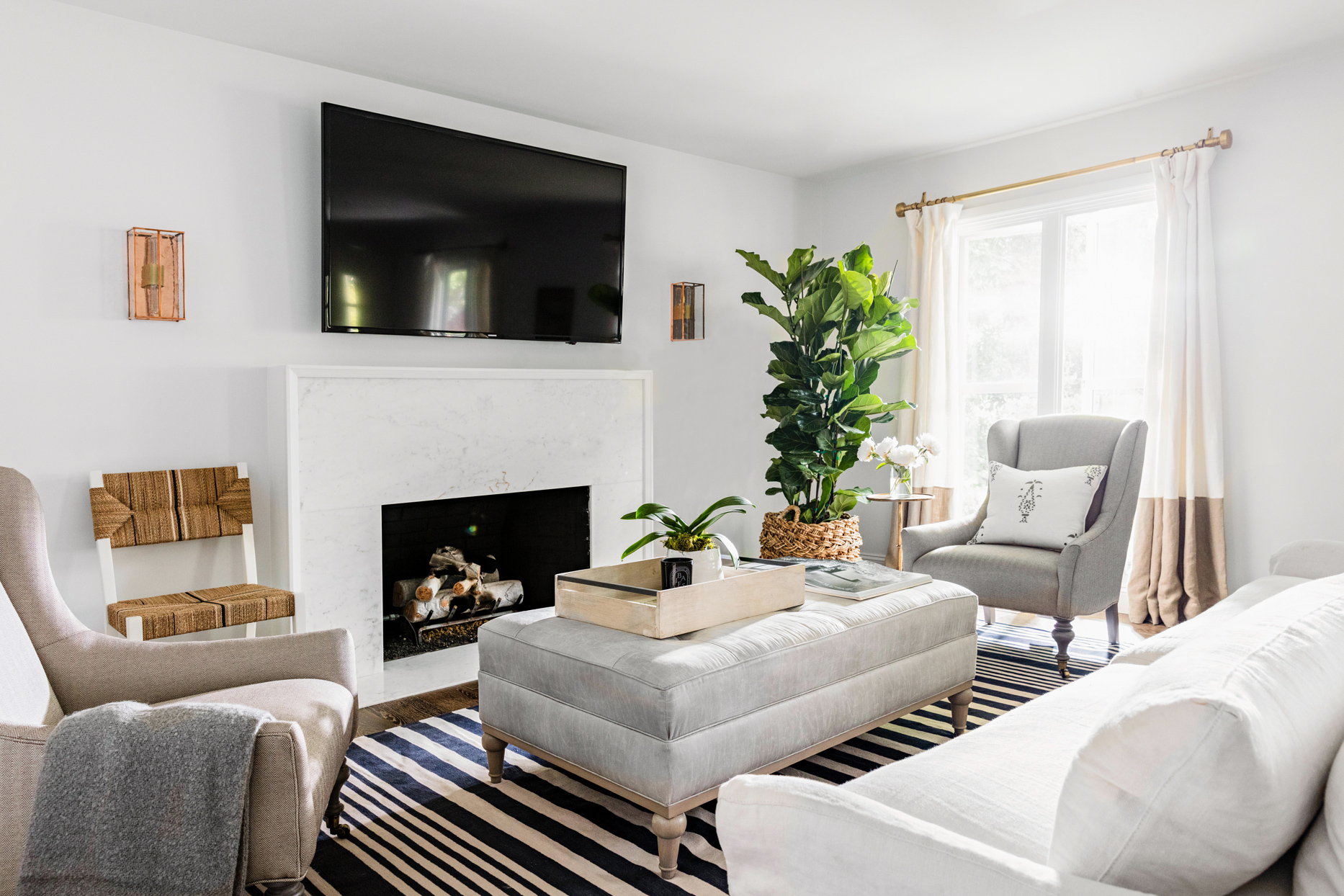
Arrange Conversation Zones So Guests Mix Without Being Forced
A single giant circle looks democratic and usually feels stiff. Smaller seating clusters work better because they let conversations start, pause, and reform without making the room feel fragmented.
Set the room up like this:
- Create two to four small conversation pockets instead of one master group.
- Angle seats toward each other, not only toward the walls.
- Add one “bridge” seat near the mingling path so people can join or leave a group without climbing over furniture.
- Keep the loudest cluster away from the quiet corner and away from children if they are present.
- Use a low-pressure prompt near the mingling zone if needed, such as a card game or one simple topic jar.
This article is about movement and timing; for a deeper furniture-only setup, return to How to Arrange Furniture For A House Party. If the event is specifically a birthday gathering, the companion guide The Way to Organize Furniture To Your Birthday Party adds a useful variation.
Keep Walkways Clear for Kids, Mobility Needs, and Quiet Breaks
You do not need to turn the party into a project plan, but you do need one reliable route that remains open all night. Clear walkways matter for everyone, and they matter more when guests include children, older relatives, or anyone who needs steadier movement.
- Keep the path between entry, seating, and restrooms free of bags, cords, stools, and side tables.
- Designate one quieter area away from the music and food traffic for short breaks.
- Secure sharp-edged pieces or move them out of the main path before guests arrive.
- Make sure at least one route to the key zones is step-free if your layout allows it.
- Do one quick crowding scan halfway through the party and reroute people if a pinch point develops.
Predictable routes make guests feel looked after without drawing attention to the logistics. That is the correct level of management for a good host.
Build a Bathroom and Cleanup Supply Plan
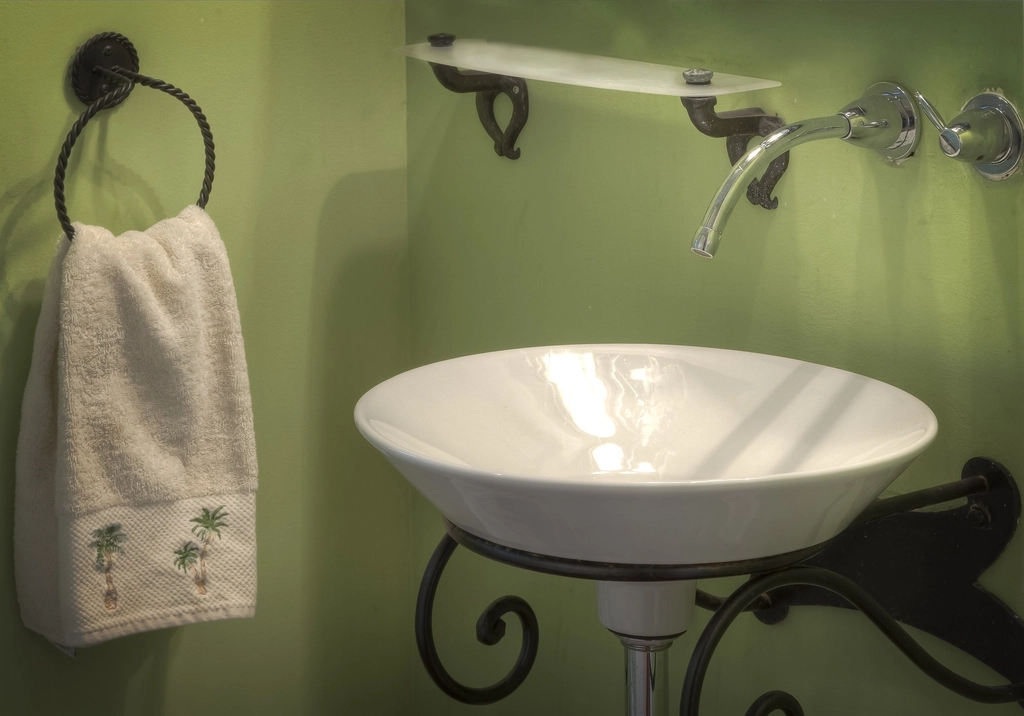
The restroom is part of the guest journey, not an afterthought. When bathroom supplies are hidden in three different cupboards, the host becomes the supply chain.
Prepare one bathroom caddy with spare hand towels, extra toilet paper, soap, wipes, and a small trash bag. Keep it nearby but out of sight, then restock on a simple cadence:
- After the main arrival wave.
- At the midpoint reset.
- Before the last hour if the party is still active.
Also place one visible trash bin and one recycling bin near the food zone. People use the containers they can see. If you need anything else clarified for a stay or house setup, the site’s Support page and Contact page are the practical next stops.
The Reset Checklist: During the Party vs. After the Party
Cleanup gets easier when you stop treating it as one large event at the end. Use short resets while the house is still in motion, then a separate close-down once the guests leave.
During-party reset: 5 to 10 minutes
- Clear cups and plates from the main walkway and seating edges.
- Refill napkins, ice, and the simplest snack item first.
- Wipe the serving surface and the bathroom sink area.
- Consolidate trash before bins overflow.
- Return any moved chair, tray, or side table to its assigned zone.
After-party reset: final 20 minutes
- Gather dishes into one handling area instead of leaving them in every room.
- Strip out trash and recycling in one pass.
- Start linens or towels if they were part of the setup.
- Do a final wipe of high-touch surfaces and switch the house back to its normal layout.
- Assign one person to dishes, one to trash and linens, and keep the host on the final sweep.
The one-touch rule applies here: if something gets moved, it should go back to its zone the next time someone has hands free.
Quick Troubleshooting When the Plan Slips
Most hosting problems are operational, which is good news because operations can be adjusted quickly.
- Not enough seating: create a standing-and-snack zone and rotate one extra chair toward the quiet area instead of forcing seats into the main path.
- Food is running low: pause replenishment, reduce portion size, and keep drinks stable while you reset the food offer.
- The room feels crowded: remove one side table or decorative chair to reopen the main route immediately.
- The bathroom is getting messy: pause traffic near the door for two minutes, restock, wipe, and reopen.
- The host is overloaded: delegate one clear task such as refills or trash removal and keep the guest journey simple instead of adding more activities.
Do This Next: 30 Minutes Before, 10 Minutes Mid-Party, 20 Minutes After
If you want a single run-of-show, use this one:
- 30 minutes before guests arrive: set the five zones, test the walkway, place bins, stock the bathroom caddy, and cue the entry greeting.
- First 15 minutes: direct coats and bags, point guests to drinks first, and keep the entry clear.
- Mid-party reset, 5 to 10 minutes: clear surfaces, top up ice and napkins, scan the walkway, and reopen any crowded route.
- Last 30 to 45 minutes: start a light reset, combine half-empty supplies, and bring the room back under control before the final exit.
- After the last guest leaves, 20 minutes: handle dishes, trash, linens, and the final sweep in separate roles.
That is the whole business case for a comfortable house party: decide the zones, protect the path, time the refills, and delegate one reset task. Everything else is decoration.