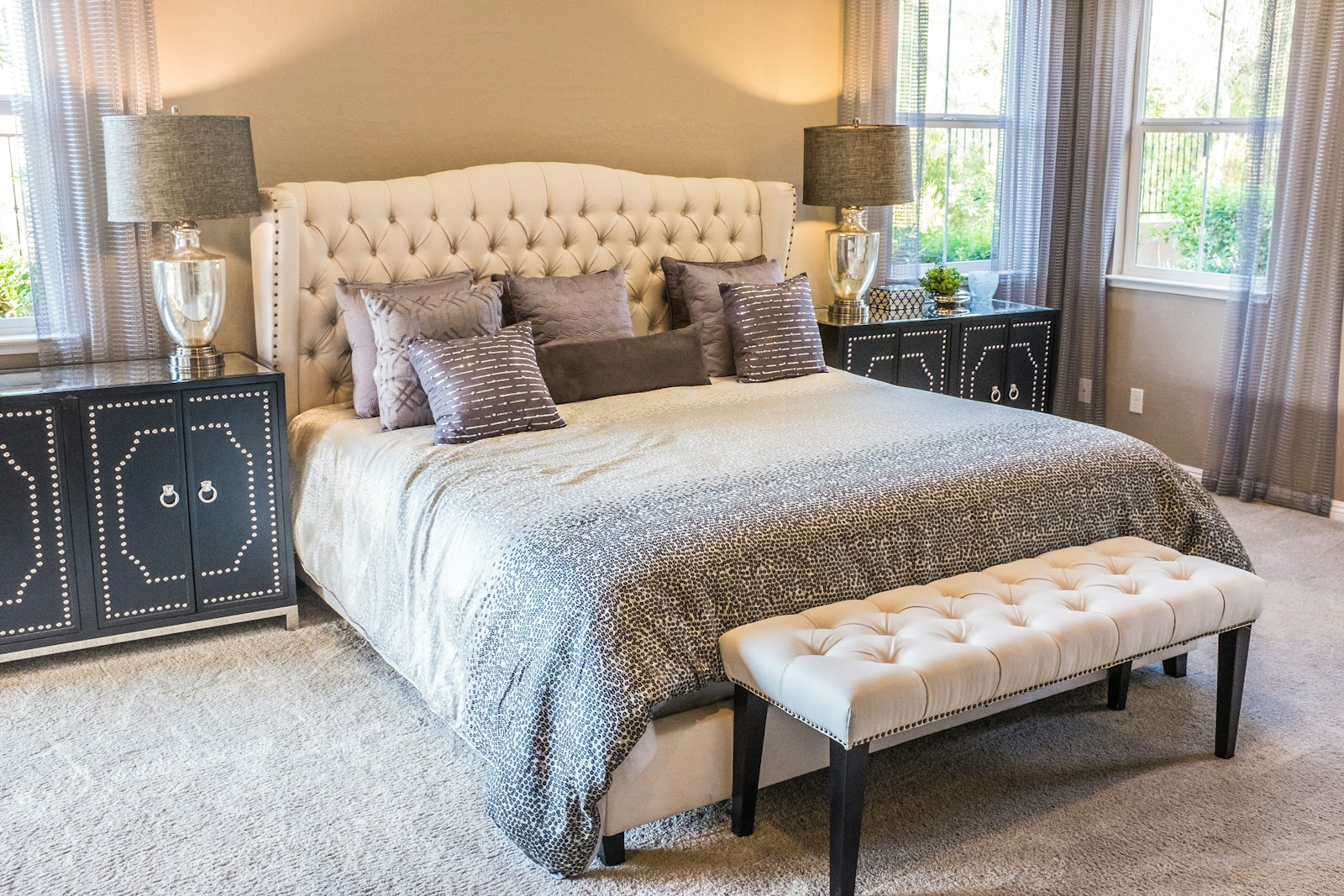
Small guest room layout with clear walking path and bedside charging station.

How to Create a Comfortable Guest Room Layout (Even for Small Spaces)

A comfortable guest room does not start with decoration. It starts with a clear path, one reachable surface, and a layout that does not ask the guest to guess what goes where.

Most small guest rooms fail in predictable ways. A bag lands in the doorway. The bedside lamp is out of reach. A chair becomes a coat rack because storage was never given a proper job. The room may still look tidy in a photo, but guests feel the friction immediately. In a bed-and-breakfast setting, that matters more than one more decorative object ever will.

If you are planning a room for your own guests, a rental, or a compact B&B-style stay, this guide walks through the sequence that keeps the room calm and usable. You will set the guest path first, anchor the bed properly, build a bedside landing zone, place storage where it supports movement, and finish with a quick walk-through test you can repeat before every arrival. If you want the broader property context first, the home page and about page explain the site’s hospitality approach.

Small guest room layout with clear walking path and bedside charging station.
A small room feels generous when the bed placement, walkway, and bedside setup all support the same simple goal: easy use.

1. Start with guest flow before you move a single chair

The first job is not style. It is movement. Stand at the door and trace the route a tired guest will take without thinking: door to bag drop, bag drop to bed, bed to bathroom. If that route is broken, every other improvement will feel secondary.

Start with these decisions:

  • Identify the entry point and the first clear landing spot for a bag.
  • Mark the main path from the door to the bed and from the bed to the bathroom.
  • Choose where coats, scarves, or a light jacket will live.
  • Check whether the wardrobe, drawers, and door swing compete for the same floor space.

A dedicated bag zone matters more than people expect. If there is no obvious place for luggage, guests improvise. That usually means the bag lands in the walkway, on a chair, or in front of a drawer you actually need them to open. A narrow bench, folding luggage rack, or even a clear patch of wall near the entry can solve that quickly, provided it does not steal the room’s only comfortable route.

Quick test: open the room door fully, place a carry-on where you think it belongs, and walk to the bed without turning sideways. Then imagine the same route in low light. If the bag placement forces a detour, it is in the wrong place.

Coats deserve the same discipline. If there is no hook, closet section, or agreed landing spot, they end up over the chair and the chair stops being seating. Small rooms do not have spare roles to give away.

Small hotel room with bed, desk, and open circulation path in a narrow footprint.
Even in a narrow room, one reliable circulation lane can make the layout feel calm instead of cramped.

2. Choose the bed as the anchor and build one reliable pathway

In a small guest room, the bed is the anchor. Everything else should serve its position rather than compete with it. That does not mean the bed must be centered at all costs. It means you decide which side needs daily access and then protect that access first.

In most compact rooms, one comfortable route is better than forced symmetry. Aim for:

  • At least one easy side approach to the bed.
  • Foot access that does not crash into storage or a chair.
  • A bedside landing surface on the side guests are most likely to use.
  • Enough space to stand, turn, and set something down without bumping furniture.

If the room only allows access on one side, commit to that choice cleanly. Push the bed against the wall only when it produces a clearly better circulation path elsewhere. Once you do that, support the accessible side properly with light, charging, and a surface for glasses or water. A one-sided bed without a working bedside setup feels unfinished very quickly.

Keep the bed aligned with the room where possible. Awkward angles rarely create more usable space; they usually create dead corners and odd sightlines. Also check radiators, vents, and windows. A bed that blocks airflow or curtain function may look fine at first glance and become annoying before the first night is over.

Quick test: sit on the bed, stand up, and walk to the door in one smooth motion. Then repeat the route from the door to the bathroom. If any furniture edge catches your knee, shin, or bag, the layout still needs simplification.

3. Build a bedside setup that feels effortless

The bedside zone is where a room either feels guest-ready or oddly incomplete. Guests need a lamp, a place to put small items, and charging they can reach without crawling under furniture. That is not luxury. That is baseline usability.

Your bedside setup should cover four jobs:

  • A reachable light for reading or winding down.
  • A small landing surface for glasses, water, a phone, or a book.
  • Charging access within arm’s reach.
  • A layout that works while the guest is already in bed.

A full bedside table is ideal, but a narrow shelf, floating ledge, or slim stool can work if the room is tight. The important part is not the furniture category. It is whether the guest can use it naturally. A lamp with a hard-to-find switch or a charging cable stretched behind the headboard is effort disguised as convenience.

Bedside table with reading lamp, alarm clock, and space for guest essentials.
A good bedside setup gives the guest one clear landing zone instead of letting small items spread across the room.

Keep the surface disciplined. A lamp, charging point, small tray, and water glass are enough. Once the bedside surface becomes decorative storage, guests lose the one place that should always be immediately useful.

Quick test: lie on the bed and reach for the lamp switch, your phone, and a glass of water. If any of those require leaning across the mattress or standing up, adjust the setup.

4. Put storage where it supports movement, not where it blocks it

Storage is the most common failure mode in a small guest room. It solves one problem and quietly creates three more. A room can have enough storage and still feel difficult if that storage interrupts the route to the bed, bathroom, or window.

Give each storage type a clear role:

  • Luggage: near the entry or along a wall where an open bag does not block the main path.
  • Coats and outerwear: on a hook, in a slim closet section, or on a dedicated hanger that does not steal the reading chair.
  • Extra linens: in a closed basket, drawer, or wardrobe shelf that is reachable but visually quiet.

Closed storage matters in small rooms because visual noise makes the footprint feel smaller than it is. Extra blankets thrown across a chair or stacked on top of a suitcase may seem harmless during setup, but they tell the eye the room is already full. A basket under a bench, a wardrobe shelf, or a closed cabinet keeps the room calmer.

The safest place for a luggage stand is usually near the door or on the wall opposite the bed, not in the lane between the bed and bathroom. If storage blocks the walkway, guests will feel it immediately, even if they never say so. They will simply move more cautiously, which is the opposite of comfort.

Guest room corner with neatly arranged bed, bedside surface, and natural light.
Small rooms stay comfortable when visible surfaces stay restrained and storage does its work quietly.

Quick test: open the wardrobe or drawer fully, then place a suitcase in its intended position. If either one blocks the other, the room still has competing jobs assigned to the same floor space.

5. Add a seating or reading corner, or the smallest substitute that works

A guest room feels more generous when it gives the guest somewhere to sit that is not the bed. In small spaces, that seat does not need to be ambitious. It just needs to be intentional.

Start with the smallest footprint that still does useful work:

  • A compact armless chair.
  • A narrow bench at the foot of the bed, if it does not pinch the walkway.
  • A small stool paired with a wall shelf or bedside tray.
  • A bed-based reading setup with a tray and proper lamp when no separate seat fits cleanly.

Position the seat so the guest can sit down, remove shoes, or read for a few minutes without blocking the room’s main route. If a chair turns the walkway into a slalom course, it is not seating anymore. It is clutter with upholstery.

One useful rule here: the reading corner should have one light source and one surface. That is enough. More pieces tend to consume the exact square footage the room was trying to protect. If you want a broader furniture-planning framework for shared spaces, the site’s guide on how to arrange furniture for a house party is helpful for thinking about circulation and purposeful furniture zones without copying a living-room layout into a guest room.

Quick test: sit in the chair, stand up, and walk to the door. Then walk from the bed to the bathroom. If the seat interrupts either route, go smaller or move it closer to the wall.

6. Improve sightlines and privacy so the room feels calm on entry

Guests read a room in seconds. What they see from the doorway matters. If the first view is a pile of luggage, open storage, or an exposed bathroom line, the room feels less settled no matter how clean it is.

Start with the doorway view:

  • Reduce direct sight of clutter-prone surfaces.
  • Keep the bed visually grounded, not crowded by mismatched furniture edges.
  • Use curtains or blinds that close fully and comfortably.
  • Place mirrors where they add light or depth without reflecting the bed awkwardly.

Mirrors help small rooms, but only when they improve the experience from normal standing positions. A mirror that throws the bed back at the door, or catches the bathroom at an awkward angle, can make the room feel more exposed instead of larger. Use them to extend light, not to create visual surprises.

Wardrobes and desks also affect privacy more than people expect. If a tall storage piece creates a hard visual wall right beside the bed, the room can feel cornered. A slight shift in angle or moving the piece to a less dominant wall often solves that without adding anything new.

Compact hotel room with a made bed, clear walkway, and writing desk.
Clear sightlines make a compact room feel easier to understand from the doorway.

Quick test: stand in the doorway with the lights at their evening setting. Ask what you notice first. If the answer is clutter, hard glare, or exposed storage, that is the part to solve before adding another decorative layer.

7. Layer the lighting so the room works for both reading and rest

Many small rooms rely too heavily on one overhead light. It technically lights the room, but it does not make the room easy to live in. Guests need at least two lighting modes: one for practical tasks and one for winding down.

A workable lighting plan usually includes:

  • A bedside lamp for reading.
  • A softer ambient light from an overhead fixture, wall light, or second lamp.
  • Switches that make sense near the entry and near the bed.
  • Warm, non-glaring bulbs that do not flatten the room.

The bedside light does the precision work. The ambient light removes the need to choose between darkness and interrogation-room brightness. In a small room, that second layer often matters more than a larger lamp. Even a modest secondary light changes how the room feels at night.

If you must choose only two light sources, choose one adjustable task light and one softer room light. Keep cords controlled and out of the circulation path. Lighting should solve problems quietly, not introduce a trip hazard in the same move.

Quick test: enter the room at dusk, turn on the lights in the order a guest would use them, and sit on the bed with a book or phone. If the room only works when every light is on, it is still relying on brightness instead of layout.

8. Walk the room as a guest before you call it finished

A final walk-through catches problems that styling never will. Do it slowly and with a bag in hand if possible. The room should pass the test in under a minute.

Check Question to Ask If the Answer Is No
Door clearance Can doors and drawers open fully without hitting luggage or furniture? Move the bag zone or reduce furniture in the swing area.
Reachability Can the guest reach the lamp, charging point, water, and storage without shifting furniture? Rebuild the bedside landing zone before adding decor.
Circulation Can someone walk from entry to bed to bathroom without squeezing? Protect one route and remove the item that steals it.
Seating comfort Can the guest sit, read, and stand up easily? Go smaller or relocate the chair.
One-minute reset Does every likely clutter item already have a home? Assign a place for coats, bags, and extra linens now.

Run one more practical test: arrive at the room carrying a bag, set it down, switch on the light, charge a phone, and place a water glass by the bed. That is the room’s real workload. If it handles that calmly, it is ready.

If you manage guest spaces regularly and want help thinking through room setup priorities, the support page is a useful next stop. If you would rather talk through the room directly, use the contact page.

9. A simple layout template you can reuse

Once one room works, document it. That protects consistency and saves you from solving the same problem again next week. A photo on your phone helps, but a short written template is even better because it records why the layout works.

Copy this and adjust it room by room:

  • Entry path: From door to bed, keep the left side clear; bag drop on wall beside entry.
  • Bed anchor: Accessible from the window side and foot of bed.
  • Bedside landing zone: Lamp, charging cable, tray, water glass on one narrow table.
  • Storage zones: Luggage near entry, coats on hook behind door, extra linens in closed basket or top shelf.
  • Seating substitute: One compact chair or stool, or a tray-based reading setup if no chair fits.
  • Sightline notes: Hide luggage from doorway, close curtains fully, keep mirror off direct bed reflection.
  • Lighting layers: Bedside task light plus one softer ambient source.

Add a short before-and-after note each time:

  • What I moved: chair, luggage stand, lamp, mirror, or storage bin.
  • What I measured: door swing, bedside reach, walkway width, drawer clearance.
  • What I verified: bag drop, bathroom path, chair usability, charging access.

One final practical note. If you like turning repeatable room checks into a simple internal workflow, a lightweight web app generator can be a useful resource for documenting room setup steps without building a large system around them.

The room does not need to be large to feel generous. It needs order first, then comfort layered on top. That is the reliable sequence. Keep the path clear, give the guest one dependable bedside zone, assign storage real jobs, and test the room like someone arriving tired rather than someone styling a photo. The result is usually calmer, easier, and better used from the first evening onward.