Benefits as Well as Downsides of Smartphone Modern Technology
Smartphones are useful precisely because they compress so much of modern life into one device, but that same convenience creates friction, distraction, and tradeoffs that are easy to underestimate.
Readers usually come to this topic with a practical set of questions:
For broader planning context, teams can compare guidance from Google Search Central before choosing a workflow.
- What do smartphones genuinely improve in daily life and work?
- Where do the biggest downsides show up in behavior, health, privacy, and attention?
- How can a person keep the advantages without letting the device dominate the day?
- What should families, workers, and businesses watch before depending on mobile-first habits?
Smartphones are now camera, map, wallet, inbox, planner, entertainment device, and communication hub at the same time. That creates real efficiency, but it also changes expectations about availability, speed, and constant response. The goal of this guide is not to praise or blame the phone. It is to explain the balance clearly.
After reading, you should be able to evaluate smartphone benefits with more precision, spot the most common downsides early, and make better choices about settings, workflows, and boundaries. If you are also refining how calls reach you, our post on ringtones and how they’re used today is a practical companion. For site-wide visitor help, you can also use the Support section.
Updated May 12, 2026
Related implementation details are also covered in WordPress documentation, which helps keep tool decisions grounded in established practices.
Defining smartphone modern technology
In plain language, smartphone modern technology means the hardware, software, apps, networks, sensors, and cloud services that turn a phone into a full computing platform. It includes more than the device itself. It also includes app ecosystems, mobile payments, cameras, navigation systems, identity checks, messaging platforms, and the background services that keep data synced across devices.
That broader definition matters because the benefits and downsides rarely come from the handset alone. They come from the habits, business models, and expectations built around the phone.
Useful terms in this discussion
| Term | Meaning |
|---|---|
| Mobile ecosystem | The full environment of apps, cloud accounts, accessories, and services linked to a smartphone. |
| Screen time | The amount of time a person actively uses or looks at the device. |
| Push notification | An app-generated alert that asks for attention on the lock screen or notification panel. |
| Digital wellbeing | Habits and settings that support healthy, intentional use of technology. |
| Mobile-first workflow | A system designed so that key tasks can be completed primarily from a phone. |
| Context switching | The mental shift required when a person moves rapidly between tasks, apps, or conversations. |
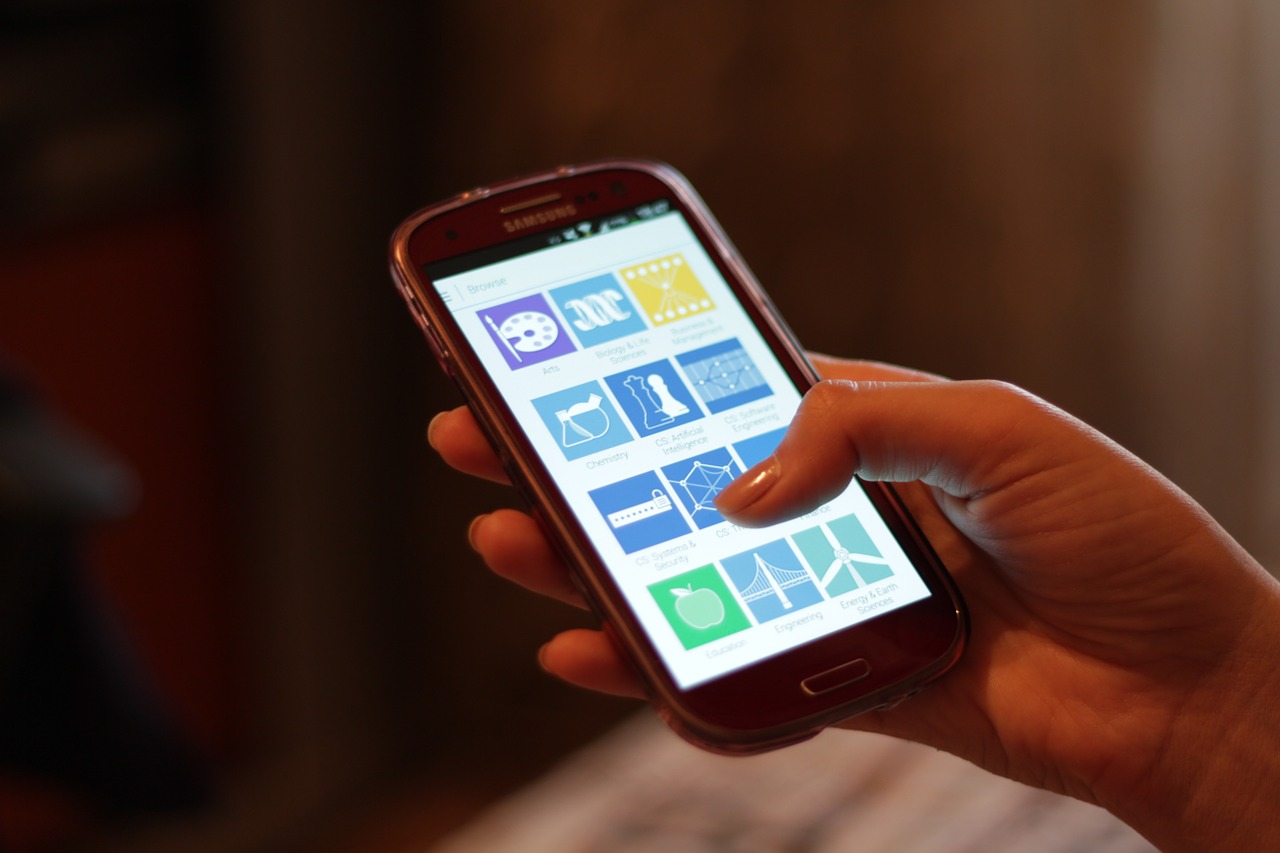
7 benefits of smartphone modern technology
1. Faster communication
The most obvious benefit is still one of the strongest. Smartphones let people make calls, send messages, share locations, join video meetings, and confirm plans almost instantly. Families can coordinate quickly, teams can resolve small issues without delay, and travelers can adapt to changes in real time.
This convenience saves time, but it also reduces uncertainty. Instead of waiting hours for updates, people can exchange context in moments.
2. Better navigation and situational awareness
Built-in maps, live traffic, transit tracking, and local search have changed how people move through unfamiliar places. The smartphone has turned navigation into a common utility instead of a specialist tool. It helps with travel, deliveries, appointments, and everyday errands.
That is not only a convenience story. It can reduce missed turns, late arrivals, and planning mistakes across an entire day.
3. Portable productivity
Email, notes, document review, authentication, calendar access, and shared files all travel with the phone. That makes it easier to approve work, answer urgent questions, and handle small administrative tasks away from a desk.
For many people, the smartphone works best not as a full replacement for a laptop, but as a bridge that keeps work moving until deeper focus is possible.
4. Easier access to services
Banking, delivery tracking, transportation booking, health portals, learning platforms, and customer support are now frequently designed for mobile first. A phone can reduce the distance between intent and action. Paying a bill, confirming an appointment, or scanning a boarding pass can take seconds.
Businesses building those systems often start with a web app builder, test ideas with a generate app with AI workflow, or review web app development trends 2025 when deciding what mobile features users expect.
5. Creative tools in your pocket
Smartphones have made photography, video capture, editing, note taking, and quick publishing widely accessible. People can document work, create content, save ideas, and share updates without special equipment. For small businesses and independent workers, that lowers the barrier to producing useful media.
6. Personal safety and coordination
Location sharing, emergency calling, ride tracking, check-in messages, and alert systems can all support personal safety. Families coordinating travel or pickups rely on this constantly. The device becomes a practical coordination tool, not just a social one.
7. Accessibility support
Voice assistants, text enlargement, captions, hearing support, translation tools, dictation, and reminder systems can meaningfully improve day-to-day independence. A smartphone can adapt communication for people with different sensory or physical needs in ways that older devices could not.
Where smartphones provide the most value
Not every user benefits from the smartphone in exactly the same way. The value changes with context.
For travelers, the smartphone reduces uncertainty. Maps, confirmations, boarding passes, weather checks, and accommodation messages all live in one place. That can turn a complicated travel day into a manageable sequence of steps.
For caregivers and families, the smartphone improves coordination. Shared calendars, school calls, pickup changes, medication reminders, and location updates all help reduce confusion.
For independent workers, the smartphone compresses administration. Quotes, invoices, passwords, bank access, client messages, and quick approvals move faster when they are portable.
For students, the smartphone lowers access barriers. Reminders, reference tools, scanning apps, and communication channels can make learning logistics easier even if the device is not ideal for long study sessions.
This is why conversations about smartphone technology should stay specific. The same device can be a lifeline in one context and a distraction engine in another.
7 downsides of smartphone modern technology
1. Attention fragmentation
The phone is excellent at interrupting people. Calls, app notifications, badges, recommendation feeds, and chat pings all compete for the same limited attention. Frequent interruptions make it harder to stay immersed in demanding work and easier to drift into reactive behavior.
This is one of the biggest downsides because it quietly affects everything else. A device that is useful in short bursts can still reduce concentration across the day if it is poorly configured.
2. Pressure to be constantly available
Once fast response becomes normal, people can feel obligated to answer quickly even outside working hours. That expectation changes relationships between employers and workers, clients and freelancers, and even friends and family. Convenience becomes pressure when access stops being optional.
3. Privacy and data exposure
Smartphones collect and transmit a large amount of information: location, contacts, usage patterns, purchase history, device identifiers, camera access, and more. Some of that data is necessary for features to work. Some of it supports advertising, analytics, or profiling. Without careful settings, a user may share more than they intend.
4. Physical strain
Long sessions of one-handed use, repetitive thumb movement, bent-neck posture, and late-night screen exposure can create discomfort. The issue is not that smartphones are inherently harmful on every use. The issue is that habits can become repetitive and poorly paced.
5. Reduced depth of engagement
The smartphone encourages quick checks, short bursts, and multitasking. That is useful for coordination but weaker for deep reading, detailed writing, and reflective thinking. Some tasks shrink to fit the device rather than being done well.
6. Financial creep
The phone itself may be only one cost in the mobile ecosystem. App subscriptions, cloud storage, accessories, repairs, insurance, and upgrade cycles can quietly add up. People often underestimate the total ongoing cost of staying current.
7. Dependence on one device
When the phone holds navigation, tickets, payments, passwords, customer support, communication, and work approvals, a dead battery or lost device becomes a bigger problem than it once was. The smartphone simplifies life, but it also concentrates risk.
Where the downsides intensify fastest
Some conditions make smartphone downsides much worse. One is poor notification discipline. When every app is allowed to buzz, badge, and escalate, the user stops distinguishing signal from noise. Another is weak boundary design, especially in remote work. If personal and professional demands reach the same device with the same urgency, the day starts to feel permanently unfinished.
A third condition is boredom plus frictionless entertainment. The smartphone is always available, which means even a tiny gap in attention can be filled instantly. That seems harmless, but it can erode the ability to sit with harder tasks or slower forms of rest.
The downside pattern is rarely caused by one dramatic failure. It usually comes from dozens of small defaults that quietly train the user toward overchecking and overreacting.
Examples of the tradeoff in real life
Example 1: The commuter. A smartphone makes route changes, digital tickets, and timing updates simple. At the same time, a constant stream of notifications turns each trip into fragmented attention unless the user narrows what can break through.
Example 2: The small-business owner. Mobile banking, customer calls, invoicing, and scheduling help the owner stay responsive. The downside is that work can spill into every quiet moment unless there are strong boundaries around alerts and response times.
Example 3: The student. A phone provides calendars, reminders, note capture, translation, and fast research links. Yet the same device can replace deliberate study time with endless context switching if entertainment and school tools live in the same attention space.
A weekly smartphone reset that keeps the balance
One of the easiest ways to keep the advantages and reduce the downsides is a short weekly reset. It does not need to be elaborate:
- Review which apps sent the most notifications.
- Delete or silence anything that did not help in a meaningful way.
- Check battery health, storage, and pending system updates.
- Remove one app or shortcut that encourages aimless checking.
- Confirm that priority contacts and focus modes still match current life.
- Look at subscriptions or paid services tied to the phone and cancel one that no longer earns its place.
This kind of reset matters because smartphone friction accumulates quietly. Small weekly adjustments prevent the device from becoming heavier, noisier, and more demanding over time.
How to keep the benefits without absorbing the worst downsides
Use fewer alerts, not just quieter ones
Most people do not need most notifications. Turn off promotional alerts, social nudges, and nonessential badges. Let calls, direct messages, and a short list of necessary reminders remain.
Create modes for context
Work mode, sleep mode, travel mode, and personal time mode are more effective than a single static setup. A phone should behave differently in different parts of life.
Separate urgent from important
Not every message deserves the same path to your attention. Priority contacts, clear ringtones, and limited badge counts help restore hierarchy.
Keep backup access
Carry a charger when necessary, print or save critical travel confirmations elsewhere, and avoid placing every important function behind one unlocked phone screen.
Review permissions and subscriptions
Privacy and cost both improve when users revisit settings, app access, and monthly charges every so often instead of assuming the defaults are acceptable.
Questions worth asking before adding another smartphone-based service
When a new app or mobile workflow looks convenient, it helps to ask a few blunt questions first:
- Does this tool solve a real recurring problem or just move an existing task onto a phone?
- Will it ask for more attention than the value it returns?
- Does it need continuous notifications to feel useful?
- What personal data or permissions does it require?
- Can the same task be handled just as well through a simpler channel?
These questions keep the phone from becoming a pile of overlapping solutions that each demand a little more time, money, and attention.
How families and teams can set better smartphone norms
One overlooked part of smartphone use is that many problems are social before they are technical. A family that never discusses when calls matter, when phones stay off the table, or how quickly someone is expected to answer will often feel more tension than a family with weaker devices but clearer rules. The same is true for teams. If every message is treated as urgent, workers will eventually behave as if they are always on call.
Simple norms help. Families can agree on charging locations, quiet hours, and which contacts are allowed to bypass do-not-disturb settings. Teams can define expected response windows, preferred channels for urgent issues, and blocks where deep work should not be interrupted.
The smartphone becomes less stressful when people agree on behavior instead of relying only on settings. Tools matter, but shared expectations matter just as much.
When smartphone use is a clear win
It is worth saying plainly that there are many cases where smartphone use is not merely acceptable but clearly superior. Mobile boarding passes are better than scrambling for printouts. Two-factor authentication on a phone is usually better than weaker account security. Turn-by-turn navigation is better than getting lost with static directions. Fast coordination during travel delays, school pickups, or urgent client requests can remove real friction from daily life.
The strongest position is not anti-phone. It is pro-selective adoption. Keep the parts that remove confusion, shorten delays, and increase safety. Push back on the parts that only create more demand for attention.
What businesses should learn from smartphone behavior
Companies often design mobile services as if more alerts, more prompts, and more engagement are automatically better. That is shortsighted. The best mobile products respect user attention. They reduce friction, explain why a notification matters, and avoid training people to ignore the app entirely.
Teams working on that balance may bring in AI consulting services for workflow design or use web development services to build leaner customer experiences that do not overload mobile users with unnecessary steps.
My practical view on smartphone tradeoffs
I do not think the smartphone is best understood as purely helpful or purely harmful. It is better understood as an amplifier. It amplifies convenience when settings are clear, workflows are intentional, and attention is protected. It amplifies stress when every app is allowed to compete for the same instant response.
The central question is not whether smartphones are good or bad. The better question is whether the current setup supports the life and work the user is actually trying to lead.
Conclusion
Smartphone modern technology brings real gains in communication, access, safety, creativity, and productivity. Those gains are not imaginary. But neither are the downsides: distraction, privacy risk, pressure, physical strain, and overdependence are all common when the device is left unmanaged.
The strongest approach is selective use. Keep the functions that remove friction, turn down the ones that manufacture urgency, and treat the phone as a tool that should fit your priorities rather than replace them.
Key points at a glance
- Smartphones deliver major convenience in communication, navigation, service access, and portability.
- The biggest downside is fragmented attention, which can spill into work, rest, and relationships.
- Privacy and cost deserve regular review because the mobile ecosystem expands quietly over time.
- Good settings matter as much as good hardware; the same phone can feel helpful or exhausting depending on configuration.
- The goal is deliberate use, not total rejection or blind dependence.