Oristano in a Weekend: A Simple Itinerary from Piazza Eleonora
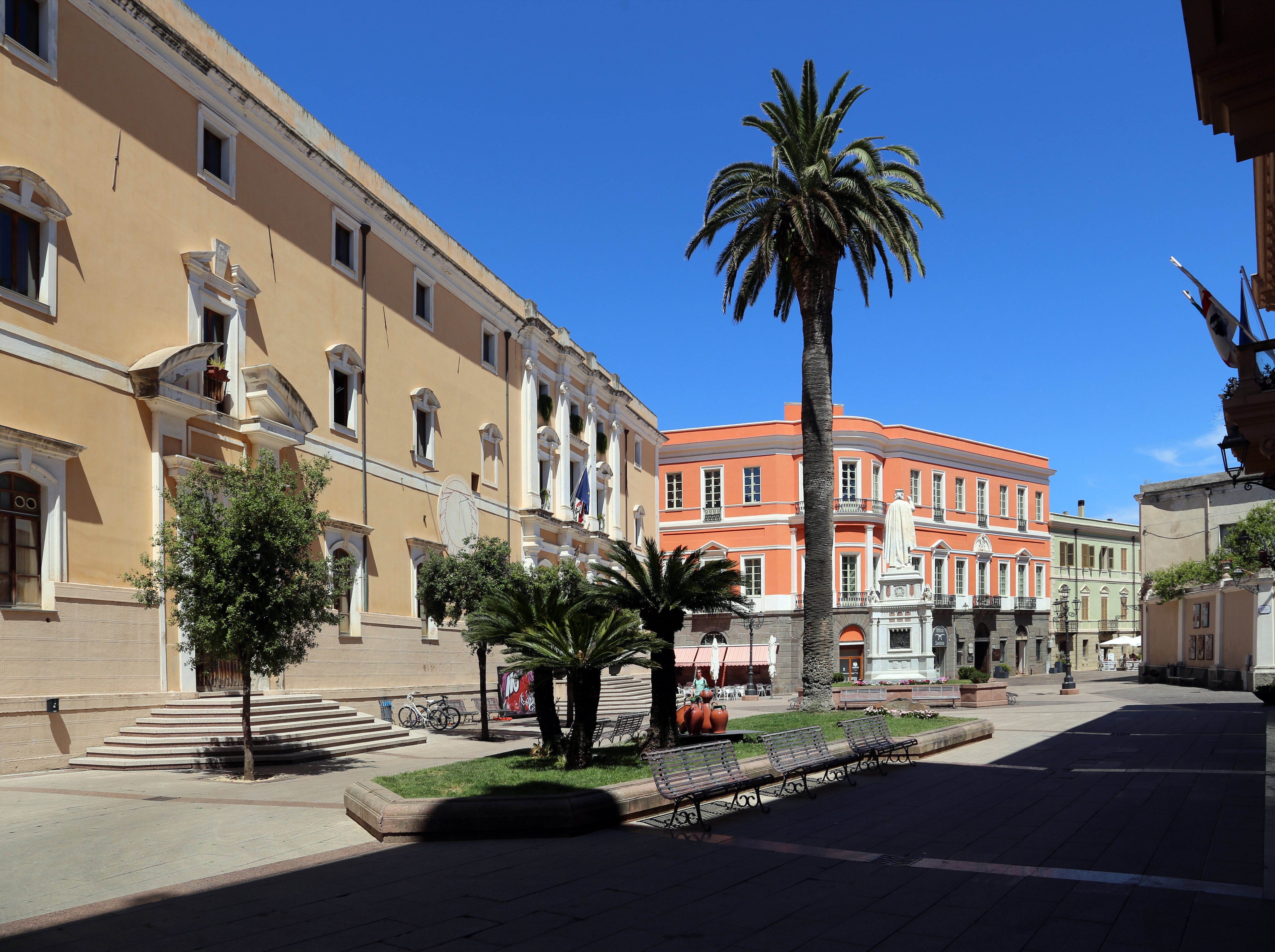
If you want a weekend in Oristano that feels calm instead of rushed, I would start in Piazza Eleonora and keep the plan centered on a short walking radius. That is the simplest way to enjoy the town without spending half the trip deciding where to go next. The square itself is a natural anchor, and the official Comune di Oristano page for Piazza Eleonora and the Sardegna Turismo overview of Oristano both make the same point in different ways: the historic center is easy to orient around, and the main sights sit close enough together to support a relaxed visit.
I like this kind of trip because it removes the pressure to “fit everything in.” You do not need a complicated route map or an aggressive schedule. You need one good café stop, one cultural stop, one meal that does not feel like a mission, and one nature or sea option for the second day. That is enough to make the weekend feel complete.
If you are staying with Eleonora Bed and Breakfast, this approach works especially well because you can return to your room easily for a rest, a change of clothes, or a quiet break before dinner. If you want the property background before you plan your walk, the About page and Contact page are the most useful places to start.
| Weekend phase | Best pace | Simple goal |
|---|---|---|
| Day 1 morning | Slow and local | Coffee, a first walk around the square, and one nearby cultural stop |
| Day 1 afternoon | Light and flexible | Lunch, a shaded stroll, and time to return to the room if needed |
| Day 2 morning | Choose one direction | Either a beach outing or a deeper town visit |
| Day 2 afternoon | Easy finish | One last cultural or scenic stop, then a calm return |
Why a center-first weekend works in Oristano
Oristano rewards visitors who keep things simple. The center is compact, the square is easy to recognize, and the main streets let you move without a lot of planning. That matters more than it sounds like. When a trip is short, friction becomes the enemy. Every extra decision takes energy away from the part you actually came for: walking, eating, looking around, and enjoying the atmosphere.
The other advantage is timing. A center-first plan lets you work with the day instead of against it. You can go out early before the heat, return to your room when your energy drops, then head back out for aperitivo or dinner. That rhythm is friendly to couples, solo travelers, and anyone who likes a weekend that feels lived-in rather than staged.
If you want a more official overview while you plan, the city’s tourist information and heritage pages are useful starting points. The tourist information office in Piazza Eleonora is a reminder that this is still the place to begin when you need local orientation, and the Sardegna Turismo guide to Oristano gives a concise picture of the historic center’s main sights.
Day 1 (Morning-Evening): Piazza Eleonora start + easy stroll rhythm
Morning: coffee, a first loop, and one decision only
On the first morning, I would keep the plan almost comically light. Leave the room after breakfast, find a café close to Piazza Eleonora, and order something ordinary: coffee, a pastry, maybe juice if that is your habit. No heroic breakfast required. The point is to settle in, not to perform travel enthusiasm.
From there, walk one gentle loop around the square and the streets immediately around it. Look up. Notice the facades, the shadows, the pace of the area, and where people naturally stop. If you like a point of reference, the statue of Eleonora d’Arborea in the square is the obvious one. If you prefer architecture, the Palazzo di Città and the surrounding civic buildings are enough to tell you where you are without forcing you into a museum mood too early.
For most visitors, the first real choice should be one cultural stop, not five. The question is not “How much can I cover?” The question is “What would make me feel oriented enough to enjoy the rest of the weekend?” That is usually one museum, one church, or one pleasant historic street you can remember later.
A good simple rule: if you are still adjusting to the town, stop after your first major landmark and save the rest for later. A weekend is not improved by exhaustion.
Late morning to lunch: choose one cultural stop and one easy table
For a cultural stop, you can stay close to the center and choose from the main historic sights listed in the official tourism guide. The Oristano tourism overview points visitors toward the cathedral of Santa Maria Assunta, the churches of San Francesco and Santa Chiara, and the Antiquarium Arborense museum, which is more than enough for a first weekend if you are not trying to see the whole province at once.
I would not overcomplicate lunch. Choose a restaurant or trattoria within a short walk of the square, preferably one with a menu del giorno or a short list of local dishes. A modest lunch is the right move here because it keeps the afternoon open. You are aiming for an easy afternoon stroll, not the kind of meal that requires a nap and a rerun of the day.
If you want a practical benchmark, ask yourself three questions before you sit down: Can I get there without hurrying? Can I leave without crossing town? Can I still walk comfortably afterward? If the answer is yes, it is the right lunch.
Afternoon: a shaded stroll and a room reset
After lunch, keep the afternoon simple. This is the right time for a slower walk through the center, a look into shops, a gelato stop, or a return to the room for a break. On a warm day, the ability to pause is not a luxury; it is part of the plan. That is especially true if you are carrying a camera, a jacket, or souvenirs that start to feel heavier every hour.
I like to build a short “reset window” into the first day. It can be as short as 45 minutes. Go back to the room, put down the bag, cool off, and decide whether you want an afternoon snack or a short sit before dinner. This one habit keeps the whole weekend from feeling overbooked.
Evening: aperitivo, then dinner that does not require negotiation
By early evening, the goal is not to chase a perfect plan. The goal is to land the day comfortably. A pre-dinner drink or aperitivo near the center is enough to make the evening feel different from the afternoon. After that, pick a dinner spot that matches your energy level. If you are tired, stay close. If you are energized, walk a little farther. But do not turn dinner into another excursion.
For many travelers, the best first-night dinner is the one with the least friction: a short wait, a clear menu, and a simple route back to the room. That leaves the rest of the weekend feeling open rather than crowded.
Day 1 (Where to pause): coffee, aperitivo, and a low-stress dinner plan
One reason weekend trips become tiring is that people forget to schedule pauses. They plan activities but not recovery. In Oristano, that is easy to fix. I would use three pauses on the first day: one coffee break, one aperitivo break, and one dinner plan that is close enough to feel easy.
| Pause | What to look for | Why it helps |
|---|---|---|
| Coffee and pastry | A café near the square with outdoor seating or a quiet corner | Gives you a soft landing and a first read on the area |
| Aperitivo | A place with simple snacks and enough space to sit without watching the clock | Creates a clear evening transition |
| Dinner | A restaurant you can reach on foot without a detour | Prevents the day from feeling longer than it should |
For a simple meal rhythm, do not schedule more than one “must do” after lunch. That is the boundary that keeps the trip enjoyable. If you are tempted to add a second museum, a long shopping detour, and a scenic drive all in the same afternoon, the answer is usually no. Leave that energy for another day.
Day 2 (Morning-Afternoon): pick one nature/sea option and one cultural stop
On the second day, I would let the weather make the first decision. If the forecast is warm and clear, take the coast. If the day is softer, windier, or you simply want a quieter pace, stay in town and spend a little more time with the historic center. You only need one nature-or-sea anchor and one cultural stop to make the day feel full.
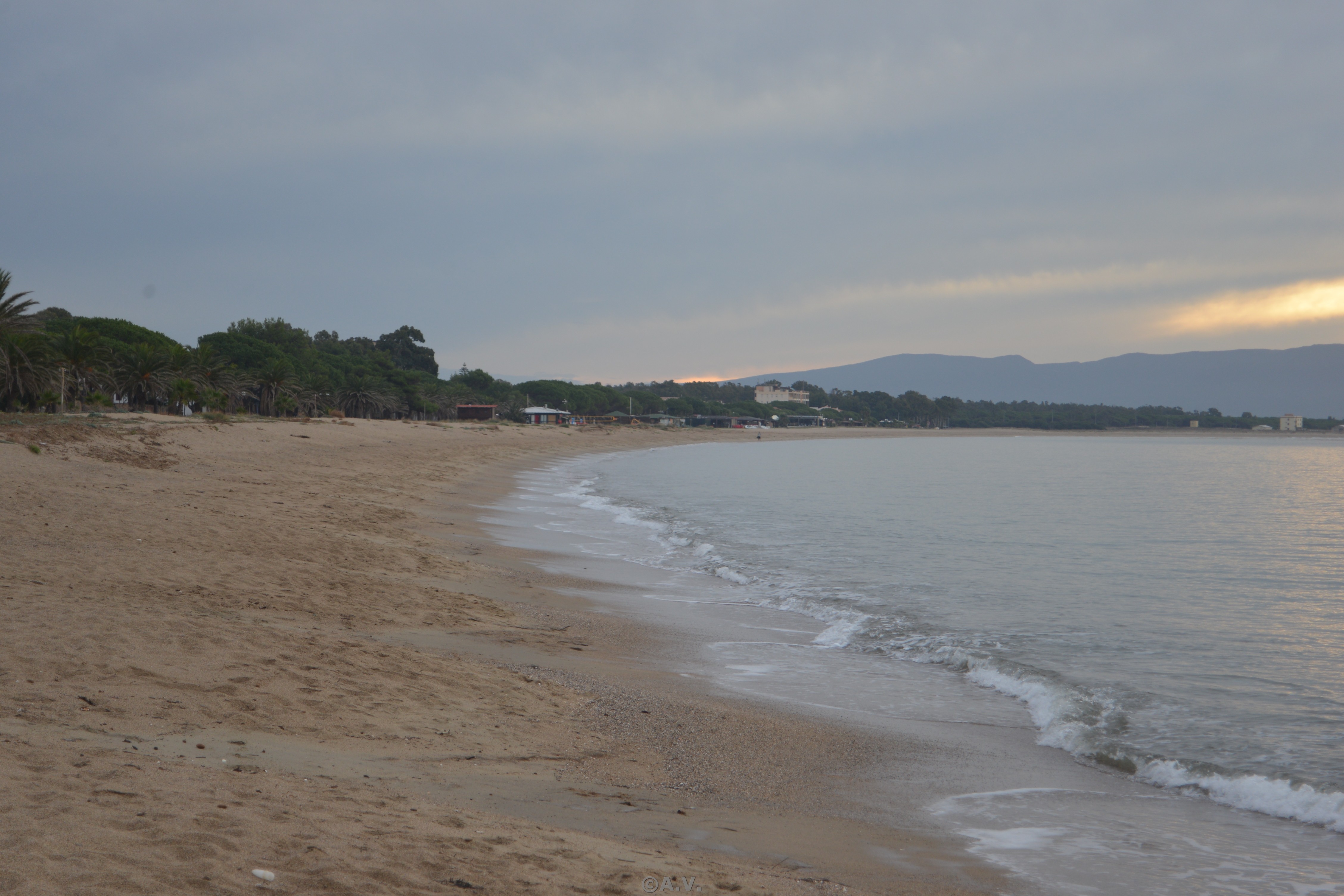
The coastline near Oristano gives you an easy sea option without asking for a big production. Torregrande is the simplest fit if you want a beach morning with an easy, readable setup: sand, water, a promenade, and a place that feels clearly part of the Oristano weekend rather than a separate expedition.
If you choose the beach
Leave early enough to enjoy the cooler part of the morning, then keep the beach block straightforward: arrive, settle in, swim or walk, have a simple lunch, and leave before the afternoon heat becomes irritating. This is one of those times when less really is more. A beach day becomes satisfying when you do not try to turn it into a marathon.
Keep your beach time to a single clear stretch. If you know you are the kind of traveler who starts with a long swim and then somehow forgets to eat, bring a bottle of water and a snack before you go. If you are the kind of traveler who likes reading in the shade, bring a book and accept that the best plan may be to sit still for a while. Both count as a good day.
If you stay in town
If you prefer to stay in Oristano, use the second morning to deepen the visit rather than repeat the first day. This is the right moment for the Antiquarium Arborense, a longer look at the cathedral area, or one of the quieter streets that you did not have time to notice on Day 1. That gives the weekend a fuller shape: one day of first impressions and one day of slower attention.
The town-center option is also useful if you want to keep lunch and rest more flexible. You can stop earlier, return to the room, and still feel like you used the morning well. That matters on a short trip. No one should need a spreadsheet to enjoy a Saturday.
What to pair with the cultural stop
Whether you choose beach or town, pair it with one cultural stop rather than two or three. If you spend the morning at the coast, spend the afternoon in the historic center. If you spend the morning in the historic center, give yourself a shorter, lighter second half of the day. The balance is what keeps the weekend from feeling lopsided.
For travelers who like a reference point, the official Oristano guide and the Torregrande page are both useful because they help you decide whether the sea or the center has the stronger pull for your own pace.
How to choose between beach time vs. town time (quick decision guide)
When people overthink a weekend itinerary, the real problem is usually not the lack of options. It is the lack of a decision rule. This is the one I would use:
| If this is true… | Choose… | Why |
|---|---|---|
| You want fresh air, open space, and a slower tempo | Beach time | It gives the day a clear physical reset |
| You like wandering, architecture, and easy coffee stops | Town time | You can move in shorter segments and change plans quickly |
| The weather looks hot and windy at midday | Town time in the morning, beach only if you leave early | It reduces discomfort and keeps the day realistic |
| You are only in Oristano for two days | One major sea outing, one major town outing | That gives you variety without hurry |
My practical rule is this: if the weather is good and you have energy, let the coast have the first half of the day. If you are tired, stay in town and save the coast for a future visit. A good itinerary respects your energy level. It does not bully you into being a more ambitious person than you are.
What to pack for a comfortable weekend (shoes, sun, light layers)
You do not need a large bag for Oristano, but you do need the right small items. Comfortable walking, sun protection, and one layer for the evening will do more for the trip than a full suitcase of “just in case” outfits.
| Pack this | Why it matters | Useful example |
|---|---|---|
| Comfortable walking shoes | Historic-center streets and longer loops feel better in shoes you trust | Low-profile sneakers or supportive sandals |
| Sun protection | Square walks and beach time both expose you to sun | Hat, sunscreen, sunglasses |
| Light layer | Evenings can feel cooler after a warm day | Cardigan, thin sweater, or light jacket |
| Reusable water bottle | Helps you stay comfortable between café stops | Any bottle that fits easily in your bag |
| Small day bag | Keeps you from carrying more than you need | Tote, crossbody, or compact backpack |
If you are adding the beach to Day 2, bring a towel, swimwear, and a spare bag for damp items. If you are staying in town, you can leave that behind and keep the bag even lighter. The easiest weekend is usually the one where your bag does not feel like a second guest.
Making it easy to return to your room: timing tips for check-in/out and rest
Short trips feel better when returning to your room is part of the plan, not an interruption. I would think about the weekend in blocks: out, back, out again. That gives you the flexibility to change clothes, charge your phone, leave extra purchases, or simply sit down for a moment before dinner.

On the host side, that same kind of simple rhythm is often what keeps guest communication calm: clear arrival instructions, a predictable check-in window, and quick replies when plans change. If a property manager wants help deciding where automation should stop and human support should begin, a neutral overview of AI consulting services can be a useful reference point for that workflow question.
For guests, the takeaway is simpler. Try not to schedule a long outing right after arrival, and do not plan your most demanding activity for the hour before checkout. Leave a little buffer on both ends. That buffer is what makes the trip feel generous instead of compressed.
Here is the timing approach I recommend:
- Arrive with enough time to settle in before your first walk.
- Use the room for a quick reset around midday if the day gets hot.
- Keep checkout morning light so you are not rushed before leaving.
- If you have luggage, ask early about the simplest place to store it.
- If you are unsure about timing, use the property’s Contact page before you travel.
That kind of planning sounds small, but it changes the tone of the weekend. You stop feeling like you are constantly catching up with your own itinerary.
FAQ: rainy day swaps, best times to walk, and transport basics
What should I do if it rains?
Use rain as a reason to stay close to the historic center. A rainy weekend in Oristano is still a good weekend if you adjust the scale. Choose one museum, one church, one café, and a slower lunch. If the weather is rough enough to make a beach outing unpleasant, do not force it. The center has enough to fill a shortened day without turning it into a disappointment.
What are the best times to walk?
Early morning and late afternoon are the easiest windows for walking comfortably. Midday is fine if you are moving in short bursts and pausing for shade. If you are sensitive to heat, plan your longer loop before lunch and your gentler loop after the room reset. The square is pleasant at different times of day, but the heat is usually the part worth respecting most.
Can I manage the weekend without a car?
Yes, for a center-based weekend, you often can. Oristano’s urban transport is handled by ARST, which maintains the city network and route information. Their Oristano urban service page is the best starting point if you want to check how the local buses work before you arrive. For a broader transport picture, the main ARST site is also useful.
What if I need local help once I arrive?
Use the center. Oristano still treats Piazza Eleonora as a practical starting point for visitors, and the municipal tourist information office has historically been located there. If you want a same-day answer on walking routes, local services, or where to start, that is the kind of place worth checking first. It is the opposite of overplanning: one good question, asked in the right place.
How much should I pack for a two-day stay?
Less than you think. If you can keep your bag to one daytime outfit, one evening outfit, one comfortable walking set, and the usual sun and toiletry basics, you are doing well. A compact weekend is easier to enjoy when you are not managing spare clothing all day.
Conclusion: keep the weekend simple, and the town does the rest
Oristano is easiest to enjoy when you stop trying to make it behave like a big-city checklist. Start at Piazza Eleonora. Choose one cultural stop. Pick one sea or nature outing for Day 2. Leave room for coffee, a shaded pause, and an unhurried dinner. That is the whole formula, and it works because it respects the size of the weekend.
If you want to keep planning, the most useful next steps are straightforward: review the home page for the site’s main entry point, check the Eleonora Bed and Breakfast page for your stay details, and use Contact if you need to ask about timing before you arrive. If you like practical travel planning, you will probably also appreciate the same clarity elsewhere on the site, including the About page.
And if you like to keep your plans neat, one final rule helps more than any spreadsheet: choose the version of the weekend that leaves you room to breathe. That is usually the one you will remember best.