How to Choose a Room for a Quiet Stay in Oristano (Noise, Light, and Layout Checks)
Quiet is not a mood; it is a set of checks. When I compare rooms in Oristano, I start with four variables: noise, light, layout, and the way the property handles requests after booking. If those line up, a stay usually feels calm. If one of them is off, the room can become tiring in ways that are hard to fix after arrival.
That is why I do not start with the decor or the map pin. I start with the questions that affect sleep and recovery: How loud is the room after dark? Does the morning light arrive before you want it? Can the bed, door, and bathroom work together without turning the room into a narrow corridor? And if you need a change, will the property actually see the request before check-in?
Noise is not just a personal preference. The U.S. Environmental Protection Agency treats noise as a real environmental issue, and its overview of noise is a useful reminder that sound can shape how rested you feel. Sleep-hygiene guidance also keeps returning to two basics: keep interruptions low and control light as much as you can. For that broader context, sleep hygiene and circadian rhythm are useful starting points, even if your decision is ultimately much simpler than a research paper.
This guide turns the choice into a checklist. You will see what to inspect in the four noise zones, what matters for light control, how room layout affects privacy, which comfort questions to ask before you book, and how to confirm the details after you reserve. If you want the property-level basics while you compare options, start with the Eleonora Bed and Breakfast page, then use the About and Contact pages if you need a direct answer before you commit.
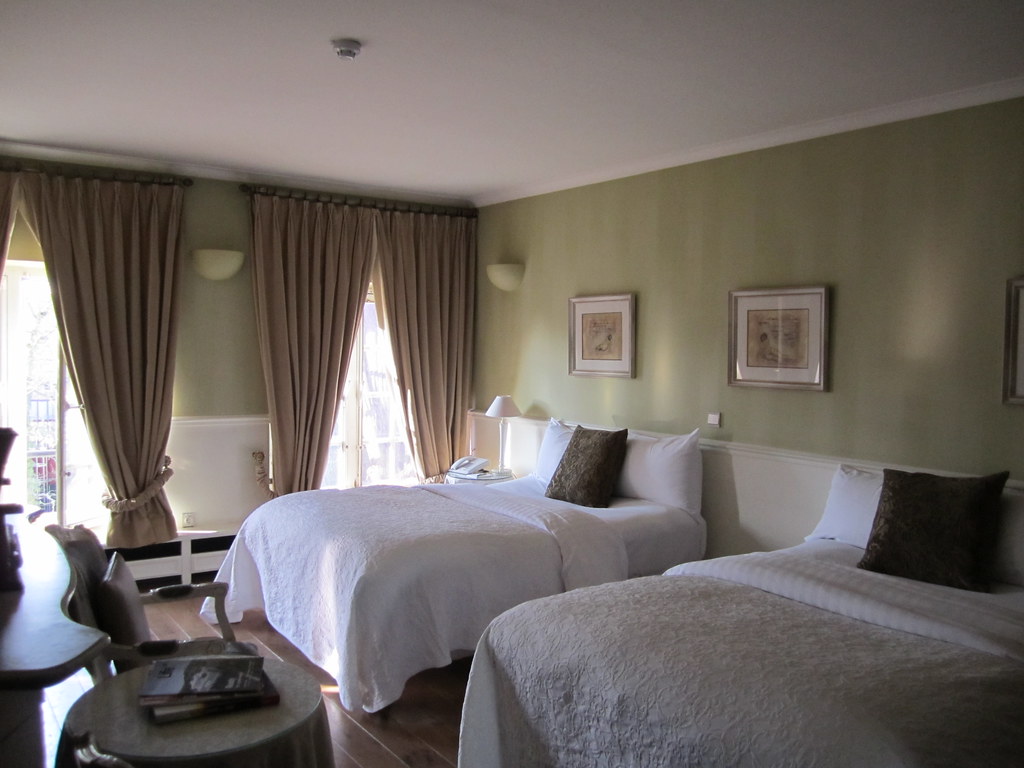
A few terms that make the decision clearer
Room descriptions can sound reassuring while still leaving out the part that matters. I use a small set of terms to keep the decision precise.
| Term | What it means here | Why it matters |
|---|---|---|
| Street-facing | Windows look toward the road, piazza, or an active public space. | Usually better for views and daylight, but more exposed to traffic and people noise. |
| Courtyard-facing | Windows face an internal space, common area, or inner yard. | Often quieter, but not always silent if breakfast, luggage, or staff movement happens nearby. |
| Light control | How well the room can be darkened in the evening and early morning. | Useful if you sleep lightly or want to stay asleep after sunrise. |
| Layout buffer | Any distance or barrier between the bed and the door, hallway, or bathroom. | More buffer usually means less disturbance from movement and sound. |
Those terms sound plain because they are. Good room selection is mostly plain work. The trick is to look past the headline and inspect the constraints that will actually shape the night.
Why “quiet” is not just about the street
When people say they want a quiet room, they often mean “not on a loud road.” That is a start, not a conclusion. In practice, there are four noise zones worth checking:
- Street noise from traffic, scooters, conversations, delivery activity, or the general rise and fall of a busy center.
- Courtyard or common-area noise from breakfast service, shared terraces, entry doors, luggage, or staff movement.
- Neighboring-room noise from doors closing, voices through thin walls, or footsteps above or beside you.
- Morning activity noise from cleaning, preparation, and early departures.
Noise is often cumulative. None of those sounds may be severe on its own, but together they can turn a decent room into a restless one. That is why I prefer to ask about the full environment, not only the street address. A room can sit away from traffic and still be poorly positioned next to the breakfast area. Another room can face the piazza and still be fine if the building buffers sound well. The answer depends on where the openings, walls, and routines sit.
For a broader explanation of the issue, noise pollution is a useful background read. The point is not to turn your booking into a theory exercise. The point is to know which noise source you are accepting, because every room accepts something.
How to judge each noise zone
| Noise zone | What to ask | What sounds acceptable | What should make you pause |
|---|---|---|---|
| Street | Which side does the room face? Is the road active late at night? | A clear answer about the street, plus a room on a less active side. | “It is in the center, so there will be some noise.” That is not a real answer. |
| Common area | Is the room near breakfast, reception, stairs, or a shared patio? | A room that sits away from recurring activity. | Any room directly above or beside the morning flow. |
| Neighboring rooms | Are the walls thick enough for a light sleeper? Are there connecting doors? | No connecting door, or a room known to be quieter. | Thin walls, shared doors, or a room that sits between many others. |
| Morning activity | What time do housekeeping and breakfast preparations start? | A schedule that starts after your likely wake-up time. | Early prep right outside the room, especially if you sleep in. |
The practical move is simple: ask the property which room is quietest, not just which room is available. Availability is a calendar question. Quiet is a placement question. They are not the same, and hotels know this even when the booking form does not say so plainly.
Light and sleep: window orientation, curtains, and early brightness
Light is the quiet room’s second half. A room can be silent and still feel bad if sunrise lands on your face at 5:30 a.m. or if the curtains leave a bright seam right over the bed. When I check light, I look at three things: the direction of the window, the quality of the coverings, and the amount of early-morning brightness the room actually receives.
If you want background on why this matters, sleep-hygiene guidance and the basic idea of circadian rhythm both point in the same direction: the body notices light earlier than most booking copy admits. That is especially relevant in a place like Oristano, where a bright room can be pleasant in the afternoon and intrusive first thing in the morning.
What I check first:
- Does the room face east, west, or a direct light source?
- Are the curtains thick enough to block early sun?
- Are there blinds, shutters, or a second layer behind the fabric?
- Does the bed sit directly in the path of the window light?
The best answer is not always “darkest.” Sometimes a room with good fabric and a sensible bed position works better than one with no privacy at all but a darker view. Light control is usually a design problem, not a luxury problem.
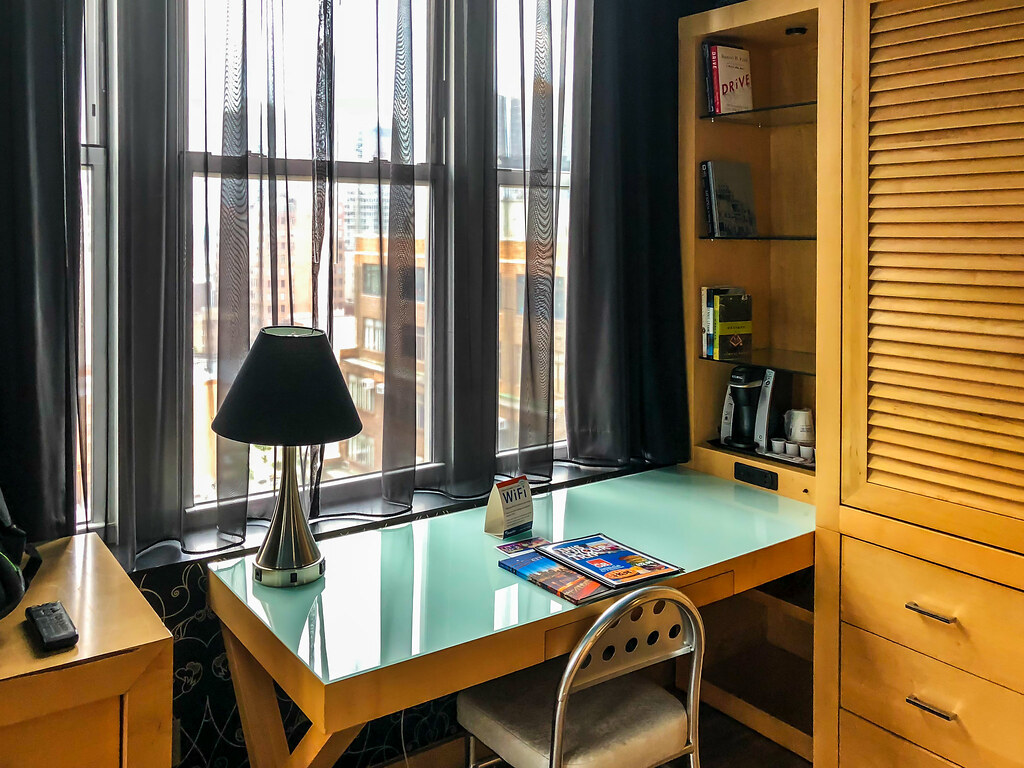
Here is the practical standard I use: if the room needs you to wake at sunrise whether you want to or not, it is not a restful room. That does not mean you need complete darkness at all times. It means the room should let you choose when morning starts.
Questions that reveal light control fast
- Does this room get direct morning sun?
- Are the window coverings blackout or only decorative?
- Can the room be darkened without leaving gaps at the sides?
- Does the room have shutters, blinds, or just light curtains?
- Is there a bright hallway light or exterior light that enters the room at night?
A useful rule: if the answer sounds vague, the room is probably not the quiet, sleep-friendly option you want. Rooms that are genuinely comfortable usually have clear answers because the host has already learned which combinations work.
Layout that supports rest
Layout is where a room either behaves well or starts negotiating with you. A bed that sits too close to the door, a bathroom that interrupts the sleeping zone, or a chair that blocks the easiest path can make a room feel cramped even when the square footage is fine.
I think about this the same way I think about room flow in How to Arrange Furniture for a House Party: the best layout is not the one with the most furniture. It is the one that gives each movement a clear path. In a guest room, that means the bed should feel anchored, the door should not open straight into the whole room, and the bathroom should not dominate the sleep area.
| Layout feature | Better version | Why it helps |
|---|---|---|
| Bed placement | Bed set away from the entry path and not directly in front of the door. | Creates a calmer first impression and reduces the sense of being in traffic. |
| Door distance | Enough space that someone entering does not land right beside your pillow. | Less disturbance from late arrivals, cleaning, or hallway movement. |
| Bathroom privacy | Bathroom door that closes well and keeps the sleeping area visually separate. | Improves comfort if more than one person shares the room. |
| Bedside access | At least one side table or landing spot for glasses, phone, and water. | Prevents clutter from spreading across the bed and floor. |
| Walking path | A direct route from door to bed to bathroom without awkward sidesteps. | Makes the room easier to use in the dark or half asleep. |
Good layout is not about formality. It is about not bumping into your own room every time you wake up. If the bed, door, and bathroom all compete for attention, the room feels active even when it is empty. That is the wrong energy for sleep.
Comfort checks you can request before booking
Quiet is only half the equation. A silent room with a bad mattress is still a bad room. A beautiful layout with no temperature control can be just as frustrating. Before booking, I would ask about four comfort details at minimum: mattress feel, extra bedding, temperature control, and whether the room has a place to set down the things you need each night.
- Mattress feel: Ask whether the mattress is firm, medium, or soft. If you know your preference, say it plainly.
- Extra pillows or blankets: Confirm whether they are available without making a request feel unusual.
- Temperature control: Ask how the room is cooled or heated and whether it can be adjusted in the room.
- Nightstand and charging space: Check whether there is a place for the practical items that end up beside the bed.
These are small questions, but they save large amounts of annoyance. A room only becomes restful when it fits the body as well as the schedule. I would rather have a plainly comfortable room than a charming one that asks me to adapt every hour of the stay.
A quick comfort matrix
| Comfort item | Good fit | Watch for |
|---|---|---|
| Mattress | Matches your usual firmness preference. | “Comfortable” with no description, if you already know you are picky. |
| Extra bedding | Easy access to another pillow or blanket. | No way to add warmth or support without asking twice. |
| Temperature | Simple in-room control or a clear host-managed system. | Rooms that depend on one setting for everyone. |
| Bedside setup | Light, water, charger, and a clear surface within reach. | Everything required lives across the room. |
If a property routes room requests through a broader operations queue, a neutral work order management software builder is one way a host can keep notes, tasks, and follow-ups in the same place. That is not something a guest needs to manage directly, but it does help explain why clear, written preferences tend to work better than vague ones.
Questions to ask before booking
Here is the copy-and-paste version. I would not send all of these to every property, but I would choose the ones that matter for the trip. Clear questions usually get clear answers.
- Which rooms are the quietest at night?
- Does this room face the street, an inner courtyard, or a common area?
- Does the room get strong morning light?
- Are the curtains, blinds, or shutters strong enough to darken the room?
- How far is the bed from the door?
- Is the bathroom fully private and well separated from the sleeping area?
- What is the mattress firmness?
- Can you provide extra pillows or an additional blanket if needed?
- How does temperature control work in the room?
- Is there a quieter alternative if the room I booked turns out to be close to activity?
- What time does morning setup or breakfast service begin nearby?
- Can you note any special request before arrival?
If you need a shorter version, ask only three things: where the room faces, how light the room gets in the morning, and what makes it the quietest option in the property. Those three answers usually tell you most of what you need to know.
Quick self-audit after booking
Once you book, the job is not finished. The next step is to make sure the details survive the handoff. I recommend a very short self-audit: review the confirmation email, check the room name or type, and send one clear note if you have a preference that matters for sleep or comfort.
- Read the confirmation and write down the room name, arrival time, and contact method.
- Recheck whether the room is the quiet side, the light-controlled side, or the one you accepted with tradeoffs.
- Send one message if you need a quieter room, extra pillow, later check-in, or a note about temperature preference.
- Keep the message short. One paragraph with the essential facts is easier for staff to act on than a long explanation.
The cleaner the handoff, the better the stay. If the property uses a structured request system, the details are less likely to disappear between booking and arrival. Guests do not need to know the machinery, but they do benefit when the machinery is tidy.
That is also where the broader operations analogy becomes useful. A property that manages many requests can benefit from a simple workflow, just as a guest benefits from a simple room decision. If the note is clear, the response is usually clearer too. Hospitality runs on that kind of boring efficiency. Luckily, boring is often what sleep prefers.
Bottom line: a simple room-selection checklist
When I strip this down to the essentials, the decision becomes straightforward. Use this checklist before you book:
- Noise: I know whether the room faces the street, a courtyard, neighboring rooms, or morning activity.
- Light: I know how much early light the room gets and whether the curtains or blinds can actually darken it.
- Layout: The bed is not in the path of the door, and the bathroom feels private enough for the way I am traveling.
- Comfort: I know the mattress feel, bedding options, and temperature control before I arrive.
- Communication: I have asked the right questions and sent a short note if I need anything specific.
| Category | Score 2 | Score 1 | Score 0 |
|---|---|---|---|
| Noise | Quiet side, clear buffer, no recurring activity nearby. | Some activity, but manageable. | Likely to interrupt sleep. |
| Light | Good control over sunrise and evening light. | Acceptable with one tradeoff. | Too bright or too exposed. |
| Layout | Bed, door, and bathroom work together cleanly. | Usable, but not ideal. | Feels cramped or awkward. |
| Comfort | Mattress, bedding, and temperature fit your preference. | Good enough with small adjustments. | Likely to bother you every night. |
Use the score only if it helps you decide. The point is not to invent a perfect room. The point is to pick the safest reasonable default for the stay you actually want. Quiet, light control, and layout are not luxury details. They are the basics that decide whether a room feels restful or merely available.
If you want to continue from there, return to the home page for the full site map, check the About page for background on the property, or use the Contact page if you need a direct answer before booking. When you already know the room type you want, the Eleonora Bed and Breakfast page is the place to verify the stay-specific details against the checklist above.
Quiet is never just one thing. It is a room that blocks the wrong noise, manages light well, keeps the layout calm, and makes it easy for the host to hear what you need. If a room does those four jobs, the rest of the stay usually follows.