Understanding Sardinian Culture: Traditions and Customs
Overview of Sardinian culture
Sardinia has its own rhythm. It is Italian, of course, but not interchangeable with the mainland. The island carries layers of Nuragic history, medieval town life, Catholic tradition, pastoral culture, and a strong local identity that still shows up in language, food, dress, and public celebration.
For visitors, that usually means culture appears in small, visible ways: a procession in the piazza, a long lunch, a careful greeting, a festival schedule that matters to the whole town, and a respect for local place names. If you want a useful starting point, the Encyclopaedia Britannica overview of Sardinia gives a compact historical frame without turning the island into a museum label.

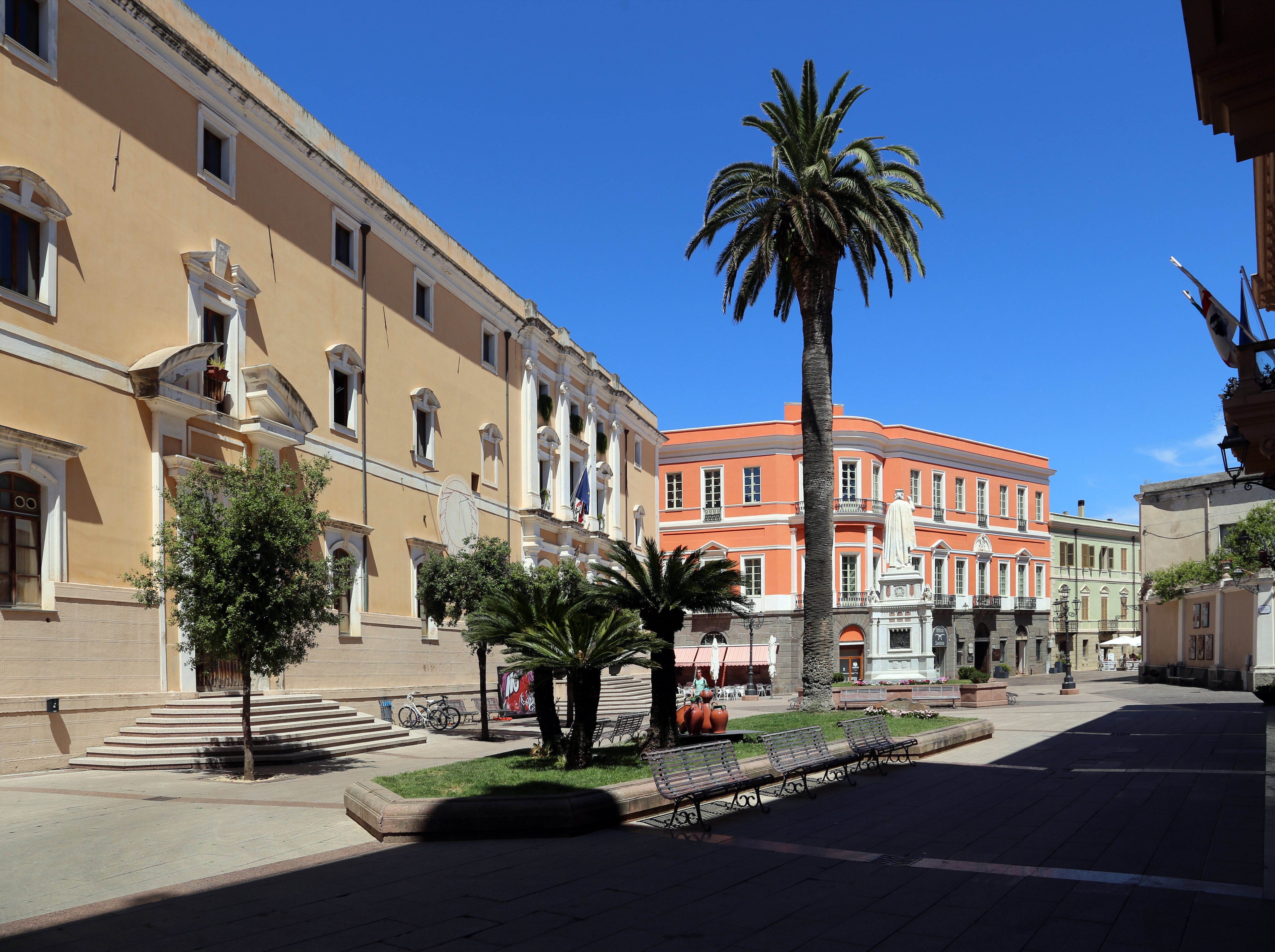
In places like Oristano, culture is not something staged only for tourists. It is part of the operating system of the town. The same square can handle errands, ceremonies, a market crowd, and a festival procession without changing its personality. That is the clue: Sardinian tradition is lived, not packaged.
Traditional festivals and celebrations
The best-known public celebrations are often religious in form and communal in practice. Sardinians mark saints’ days, seasonal transitions, and local historical events with processions, costumes, music, horse events, and shared meals. The exact calendar changes from town to town, which is part of the point: the island’s culture is local before it is generic.
One of the most famous events near Oristano is the Sartiglia, the historic equestrian festival held during Carnival. It combines ritual, sport, costume, and social memory in a way that makes perfect sense to the people who live there and little sense to anyone looking for a neat brochure category. That is usually how the best traditions work.
Other celebrations may feature folk dancing, masked figures, hand-carried saints, or village feasts that last well into the evening. The common thread is participation. Even when visitors are welcome, these are not performances in the shallow sense. They are community rituals with a public face.
Local customs and etiquette
Visitors do not need to memorize a rulebook, but a little courtesy goes a long way.
- Greet people politely. A simple hello and thank you matter, especially in small towns and family-run businesses.
- Dress respectfully for churches and processions. Sardinia is relaxed, not careless.
- Respect meal timing. Lunch can be a real pause, not a speed run.
- Ask before photographing people or ceremonies. Tradition is public, but not automatically open season for photos.
- Follow local pacing. Some things run on island time; forcing the issue is a waste of everyone’s energy.
For broader etiquette context, the Wikipedia summary of Italian culture is a decent jumping-off point, but Sardinia deserves the stronger lens of local custom. The island’s social code is shaped by family, neighbors, and town identity as much as by national convention.
If you are staying at a place like the About page or planning your trip through the home page, the practical move is simple: be observant before being loud. Sardinians notice courtesy quickly.
Art and music in Sardinia
Sardinian art is often inseparable from craft. Textiles, weaving, ceramics, woodwork, jewelry, and costume all carry regional identity. These are not souvenirs in the thin modern sense. They are living forms that preserve pattern, skill, and local memory.
Music has the same kind of depth. Polyphonic singing, traditional instruments such as the launeddas, and festival choirs are part of the island’s cultural texture. The music can be spare, forceful, and old in the best possible way: not dusty, just durable. For a concise introduction, the Britannica music overview is useful background, though Sardinian performance traditions are best understood live, in context.
Art and music also help explain why Sardinian culture feels so cohesive. The island does not separate celebration from identity the way modern systems sometimes do. A festival costume, a song, a procession, and a family meal all point back to the same local architecture.
What guests will notice during a stay
| Experience | What it usually means | Good visitor response |
|---|---|---|
| Festival crowd in the square | Community life is active, not staged | Watch, listen, and give space |
| Long lunch or quiet afternoon | Daily rhythm matters | Plan around it instead of fighting it |
| Formal dress at a ceremony | Respect for tradition and place | Dress neatly and follow local cues |
| Music in a public event | Tradition is still performed, not archived | Enjoy it as a living custom |
Conclusion
Understanding Sardinian culture is less about collecting facts than about noticing how the island organizes everyday life around memory, community, and place. Festivals, etiquette, craft, and music all point to the same truth: Sardinia keeps its traditions close, but it does not hide them.
For guests, that is good news. It means a stay on the island can offer more than scenery. It can offer a real sense of how a place carries itself. If you want to go further, the island’s cultural pattern becomes much easier to read once you have spent a little time in the streets, squares, and local tables where it actually lives.