Exploring the History of Oristano: A Visitor’s Guide
Table of contents
Oristano isn’t just a stop on the way to the beaches-it’s a living scrapbook. If you want your stay to feel more than “check-in and explore,” this guide will help you connect the landmarks, people, and traditions you’ll see today to the stories that shaped them.
When you search for “what to do in Oristano,” you’re probably asking a few practical questions: Which places are actually worth it? Where do I start if I’m new to Sardinia’s history? And what events let you experience the past without reading a hundred pages? As the historian’s version of the short answer goes: follow the sites, then follow the people, then follow the celebrations.
Oristano sits in central-western Sardinia and has long been shaped by rulers, trade routes, and local traditions. You’ll feel it in the medieval layout, the civic spaces, and the way festivals turn history into something you can stand inside. For a broader historical overview and regional context, it helps to bookmark reputable reference sources like Encyclopaedia Britannica’s entry on Oristano and Britannica’s page on Sardinia (both include a useful “big picture” before you zoom in).
By the end, you’ll have a simple map in your head: where to look, who left an imprint, and how to plan one or two culturally rich moments during your stay.
Introduction to Oristano’s history
Think of Oristano as a city built on layers. Even when the streets look familiar and everyday, the layout, monuments, and public life reflect centuries of change-from medieval civic life to modern Sardinian identity. In other words: the past isn’t behind glass here; it’s woven into where people gather.
If you’re arriving as a guest, you don’t need a deep background course. Instead, treat Oristano like a guided walk where each stop answers one question:
- What does this place tell us about the city’s role?
- Why here, in this spot?
- What tradition still “remembers” the past?
Key historical sites to visit
Below are the kinds of stops that make Oristano feel “historical” in the best way-clear, walkable, and connected to real stories.
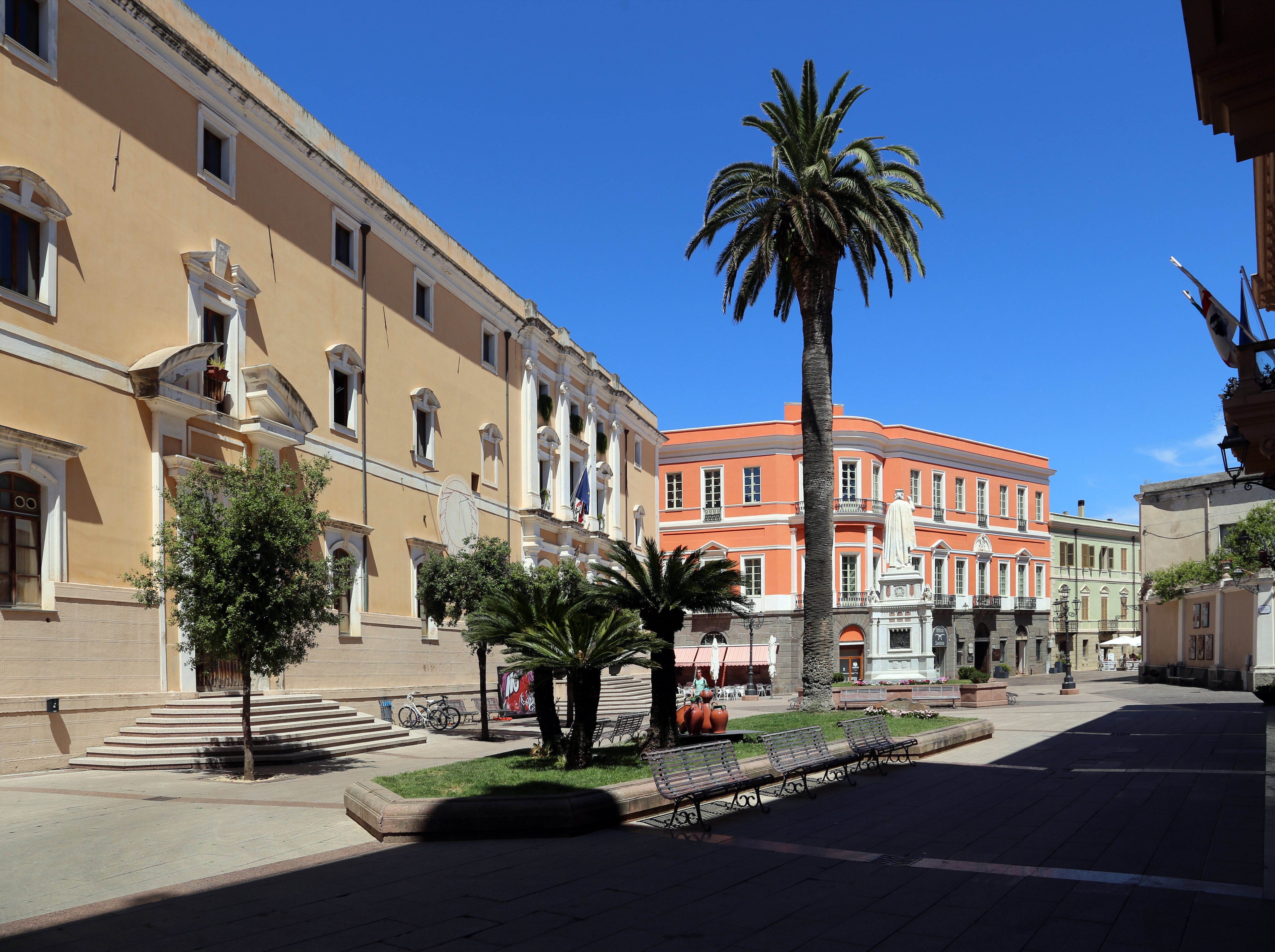
Piazza Eleonora and the civic center
If you only do one “history starter,” make it your walk from Piazza Eleonora. It’s the kind of place where you can feel how city life is organized: open space, orientation toward major buildings, and a rhythm that’s easy to follow on foot.
As you stand in the square, ask yourself what it would have been like in earlier centuries: where did conversations happen, where did news travel, and where would people gather for important moments?
The Cathedral area
Religious architecture often functions as more than a worship space-it’s a record of community priorities. In Oristano, the cathedral area gives you a sense of how faith and civic identity moved together over time.
Even if you’re visiting mainly for atmosphere, pay attention to the building materials, layout, and the way the surrounding streets frame the structure.
Medieval-town texture: streets, squares, and viewpoints
Oristano’s history isn’t only in “one monument.” It’s also in the way the town is stitched together-small streets, public corners, and the occasional viewpoint that helps you understand the geography.
Try a simple approach: pick one direction from your accommodation and walk until you reach an open square. Then reverse course. You’ll quickly notice how Oristano “breathes” between built space and public space.
If you extend your day: nearby historical landscapes
Oristano is a good base for broader regional exploration. If you have time, consider adding a half-day or day trip to surrounding historical sites (especially those tied to Sardinia’s layered past). A useful way to plan at a distance is to compare a reference overview (like Wikidata’s structured location approach for cross-checking key terms) with official visitor resources.
Influential figures in Oristano’s past
History is often explained as big events and famous names, but for a visitor, “figures” are most meaningful when they connect to visible places or traditions.
Eleonora d’Arborea (and the story behind the name)
Oristano is strongly associated with Eleonora d’Arborea-a name you’ll see echoed in civic spaces and local memory. Her presence in Oristano’s identity is part of why Piazza Eleonora feels like more than just a landmark; it’s a clue to the city’s broader historical narrative.
Medieval civic leadership and cultural continuity
Beyond single individuals, Oristano’s history reflects the work of local leadership: the people who organized public life, supported institutions, and helped traditions survive changes in power.
When you’re touring, look for signals of civic continuity-how the city organizes its public squares, where gatherings are centered, and which traditions keep returning.
Writers and scholars who preserved the regional story
Some of the best “visitor-friendly history” comes from the way regional scholars documented place and culture. If you like reading as part of travel, use reputable reference sites (and cross-check) rather than relying on only one blog or summary.
Cultural events celebrating history
Festivals are where historical meaning becomes social meaning. You don’t just observe the past-you experience it alongside other people who care about it.
Sartiglia (a living tradition)
The most famous event connected to Oristano is Sartiglia-a tradition that draws visitors and locals alike. It’s the kind of cultural moment where you can feel how history is performed, not just remembered.
- Plan your timing: if your dates align, build around the event rather than squeezing it in last minute.
- Arrive early: crowds and street access tend to shape how you experience the festival.
- Look for details: the smaller ceremonial elements are often where the historical “meaning” hides.
For practical background on Sartiglia and how it’s described in credible sources, it’s worth checking Sartiglia on Wikipedia as a starter reference, then following links to more authoritative context when needed.
Local markets, seasonal gatherings, and community rhythms
Not every history-rich moment is a “named festival.” Markets, seasonal community rhythms, and public gatherings often carry older patterns of social life-especially in a place where local identity is closely tied to tradition.
If you want a simple visitor strategy: ask what’s happening during your stay and choose one event-style experience where the atmosphere matters as much as the schedule.
How to turn events into a “history experience”
Here’s a quick way to make celebrations feel deeper (without turning your vacation into a study session):
- Pick one theme: “civic history,” “ritual tradition,” or “regional identity.”
- Choose one tangible anchor: a square, a parade route, a specific venue.
- Take one note after: what place-related detail stood out most?
Conclusion: your visitor’s history checklist
Oristano rewards visitors who look up from their phones and pay attention to the city’s structure: its squares, its civic center energy, and the traditions that keep showing up year after year.
To recap, aim for:
- Piazza Eleonora as your walkable, mood-setting starting point
- Cathedral area stops to understand how community identity formed
- One or two guided “history walks” using squares as your direction cues
- At least one tradition-when your dates allow, Sartiglia is the obvious highlight
If you’d like, use this guide to plan your next step: which day of your stay will you dedicate to a “history-focused walk” – arrival day, the middle day, or your final morning?
Suggested reference reading: Encycopaedia Britannica entries on Oristano and Sardinia, and a quick starter overview of Sartiglia.